VO2 max represents the maximum amount of oxygen your body can utilize during intense exercise. It serves as a key indicator of cardiovascular fitness and aerobic endurance. Athletes often use VO2 max to gauge their performance potential and tailor their training programs.
A higher VO2 max typically correlates with better athletic performance. Endurance athletes, such as runners and cyclists, particularly benefit from maximizing this metric.
Understanding VO2 max helps individuals set realistic fitness goals and track their progress over time.
Key Takeaways
- VO2 Max is a key indicator of aerobic fitness and overall endurance performance.
- Training methods like interval training and cross-training effectively boost VO2 Max levels.
- Genetics influence VO2 Max potential, but targeted training and nutrition can optimize results.
- Proper nutrition, hydration, and recovery are essential to maximize and maintain VO2 Max improvements.
- Monitoring VO2 Max regularly helps track progress and tailor training for peak athletic performance.
The Science Behind VO2 Max and Performance
VO2 max measures how efficiently your body transports and uses oxygen during physical activity. It reflects the interplay between your heart, lungs, and muscles. When you exercise, your muscles require more oxygen to produce energy, and a higher VO2 max allows for better oxygen delivery.
Research shows that VO2 max significantly influences endurance performance. Athletes with higher values can sustain higher intensities for longer periods. This physiological advantage often separates elite athletes from recreational ones.
Training Strategies to Improve VO2 Max
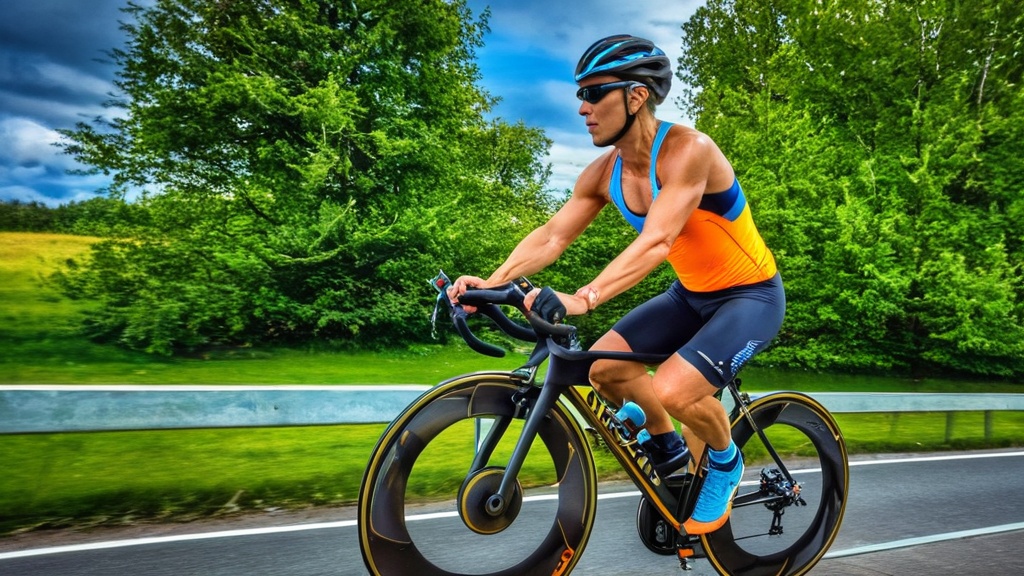
To enhance VO2 max, athletes should focus on specific training strategies. High-intensity interval training (HIIT) proves effective in pushing the limits of oxygen consumption. Short bursts of intense effort followed by recovery periods stimulate cardiovascular adaptations.
Incorporating longer, steady-state aerobic sessions also benefits VO2 max. These sessions build endurance and improve the body’s ability to utilize oxygen efficiently. A balanced approach combining both methods yields optimal results.
The Role of Genetics in VO2 Max
Genetics plays a significant role in determining an individual’s VO2 max potential. Some people naturally possess a higher capacity for oxygen uptake due to their genetic makeup. This inherent advantage can influence athletic performance and training outcomes.
However, genetics does not solely dictate success. With proper training and dedication, individuals can improve their VO2 max regardless of their genetic predisposition. Understanding this balance empowers athletes to focus on what they can control.
Nutrition and Hydration for Maximizing VO2
|
|
| VO2 Max Metric |
Description |
Typical Range |
Units |
| VO2 Max |
Maximum volume of oxygen consumed per minute during intense exercise |
30 – 70 |
ml/kg/min |
| Absolute VO2 Max |
Maximum oxygen consumption without body weight normalization |
2.0 – 6.0 |
liters/min |
| VO2 Max for Sedentary Adults |
Average VO2 max for untrained individuals |
30 – 40 |
ml/kg/min |
| VO2 Max for Endurance Athletes |
Typical VO2 max for trained endurance athletes |
60 – 85 |
ml/kg/min |
| VO2 Max Decline Rate |
Annual percentage decline in VO2 max with age |
1% |
% per year |
| VO2 Max Improvement with Training |
Typical increase in VO2 max after aerobic training program |
10 – 20 |
% increase |
Nutrition significantly impacts VO2 max and overall athletic performance. A well-balanced diet provides the necessary nutrients for energy production and recovery. Carbohydrates, proteins, and fats all play essential roles in fueling workouts.
Hydration also affects performance and oxygen delivery. Dehydration can impair cardiovascular function and reduce exercise capacity. Athletes should prioritize hydration before, during, and after workouts to maintain optimal performance levels.
The Impact of Altitude on VO2 Max
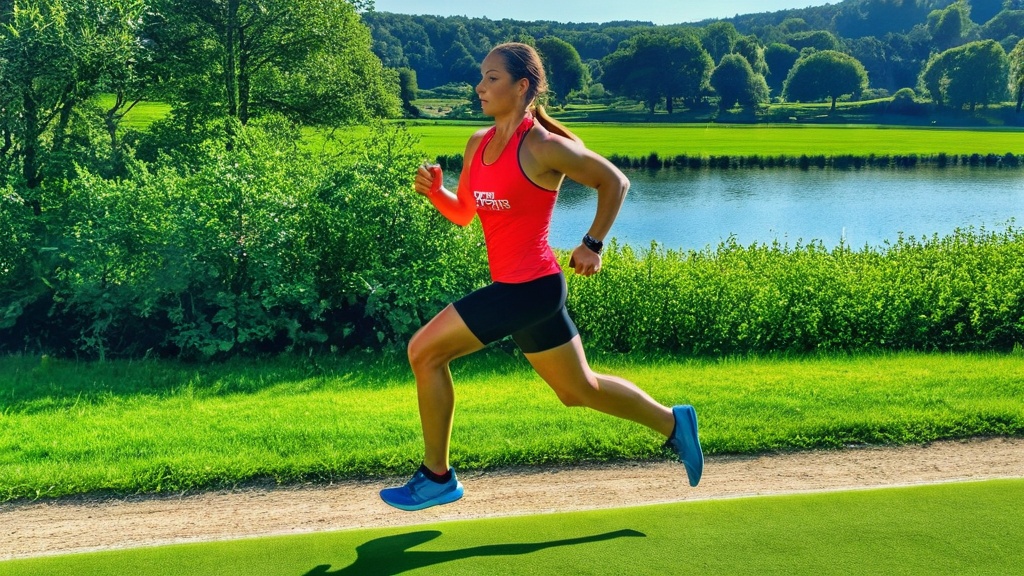
Training at high altitudes can influence VO2 max due to lower oxygen availability. At higher elevations, the body adapts by producing more red blood cells, enhancing oxygen transport. This adaptation can lead to improved performance when returning to sea level.
However, altitude training requires careful planning. Not all athletes respond positively to high-altitude conditions. Some may experience decreased performance initially before adapting, so gradual acclimatization is crucial.
Incorporating Interval Training for VO2 Max
Interval training effectively boosts VO2 max by challenging the cardiovascular system. Short, intense bursts of activity followed by rest periods push the body to adapt. This method increases both aerobic and anaerobic capacities.
Athletes can customize interval workouts based on their fitness levels. For example, beginners might start with shorter intervals, while advanced athletes can tackle longer durations. Consistency in interval training leads to significant improvements over time.
Monitoring and Measuring VO2 Max
Monitoring VO2 max provides valuable insights into an athlete’s fitness level. Various methods exist for measuring this metric, including laboratory tests and field tests. While lab tests offer precise measurements, field tests provide practical alternatives for many athletes.
Wearable technology also aids in tracking VO2 max over time. Many fitness trackers now include features that estimate this value based on heart rate data during exercise. Regular monitoring helps athletes adjust their training plans effectively.
Recovery and Rest for Optimal VO2 Max
Recovery plays a crucial role in improving VO2 max. Adequate rest allows the body to repair and adapt to training stressors.
Overtraining can hinder progress and lead to burnout or injury.
Incorporating rest days into a training schedule is essential for long-term success. Active recovery activities, such as light jogging or yoga, can also promote healing while maintaining fitness levels. Prioritizing recovery ensures athletes maximize their potential.
Implementing Cross-Training for VO2 Max
Cross-training offers a unique approach to enhancing VO2 max while reducing injury risk. Engaging in various activities challenges different muscle groups and promotes overall fitness. For example, runners might incorporate cycling or swimming into their routines.
This variety keeps workouts fresh and enjoyable while improving cardiovascular endurance. Cross-training also allows athletes to recover from high-impact activities while maintaining aerobic conditioning. Balancing different forms of exercise leads to well-rounded fitness.
Case Studies and Success Stories of Athletes Maximizing Their VO2 Max
Numerous athletes have successfully maximized their VO2 max through dedicated training and strategic approaches. For instance, elite marathon runners often incorporate interval training and altitude workouts into their routines. These methods have led to remarkable improvements in their performance.
Success stories abound in various sports, showcasing the importance of understanding and optimizing VO2 max. Athletes who prioritize nutrition, recovery, and cross-training often achieve significant gains in their fitness levels. Their journeys inspire others to pursue their own goals with determination and focus.
In conclusion, understanding VO2 max is essential for anyone looking to improve their athletic performance or overall fitness level. By exploring the science behind it, implementing effective training strategies, and considering factors like genetics and nutrition, individuals can maximize their potential. With dedication and the right approach, anyone can enhance their VO2 max and achieve their fitness goals.