Imagine the roar of the crowd, the culmination of years of training, the single moment that defines a champion. What if a little sunshine, or a lot of it, could tip the scales? Weather can be a silent competitor in the arena of sports. It shapes not just the game, but the athletes themselves. Let’s explore how the elements can impact those moments of ultimate performance.
Weather is more than just a backdrop to athletic events. It actively influences how athletes perform. Temperature, humidity, wind, and precipitation all play critical roles. These factors can affect an athlete’s physical capabilities and mental state. Understanding these impacts helps us appreciate the challenges champions overcome.
Defining the Variables
- Temperature: This refers to the hotness or coldness of the air. High temperatures can lead to dehydration. Cold temperatures can stiffen muscles.
- Humidity: This is the amount of water vapor in the air. High humidity makes it harder for sweat to evaporate. This can increase heat stress.
- Wind: Moving air can affect speed and endurance. Strong winds can be a significant obstacle. They can also provide a helpful boost.
- Precipitation: This includes rain, snow, and hail. It can make surfaces slippery. It can also reduce visibility.
Heat’s Toll: Summer Sports and Sweltering Stadiums
The sun can be a champion’s friend or foe. In summer sports, extreme heat presents serious challenges. Athletes risk heat exhaustion and heat stroke. The 2026 FIFA World Cup highlights these dangers. Many host stadiums face extreme heat risks.
The 2026 FIFA World Cup: A Heatwave Forecast
- Stadium Risks: Nearly 90% of venues in the 2026 World Cup are at risk. They could exceed critical temperature thresholds. This is especially true in afternoons.
- High-Risk Cities: Cities like Miami, Dallas, and Houston are particularly vulnerable. Monterrey in Mexico also faces challenges. Philadelphia and Kansas City will feel the heat.
- Player Health: Exceeding 28°C WBGT can significantly impact player health. This is a Wet Bulb Globe Temperature reading. It accounts for heat, humidity, and sun. Heat stroke is a severe risk.
- FIFA’s Adaptations: FIFA has considered adjustments. These include earlier kickoff times. Adding cooling breaks for players is also an option. Covered stadiums offer some protection. Adapting to conditions is key.
Managing Heat: Strategies for Athletes
- Hydration is Paramount: Drink fluids consistently before, during, and after activity. Water is essential. Electrolyte drinks can help replace lost salts.
- Acclimatization is Crucial: Gradually expose your body to heat. This helps it adapt over time. Athletes need to train in similar conditions.
- Cooling Strategies: Use ice towels or cool water during breaks. Seek shade whenever possible. Wearing light, breathable clothing helps.
- Listen to Your Body: Recognize the signs of heat stress. Dizziness, nausea, and fatigue are warnings. Red flag the importance of rest.
Winter’s Bite: Cold’s Impact on Performance
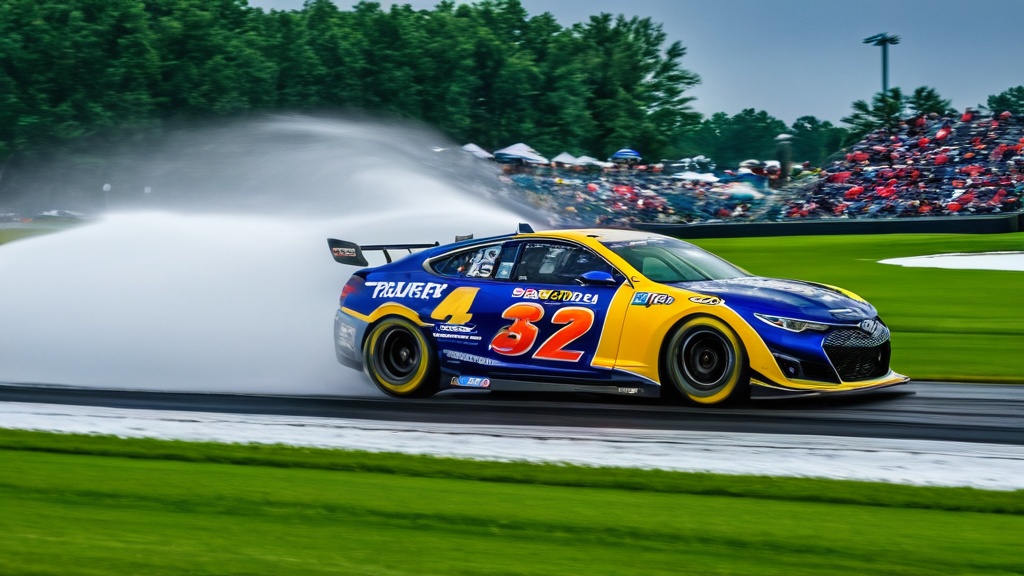
Cold weather presents a different set of obstacles. Freezing temperatures can lead to hypothermia and frostbite. Muscles become less flexible. Performance can plummet.
The Chill’s Effect on the Human Body
- Core Temperature Drops: Even a small drop in core body temperature matters. A 0.5°C decrease can hurt performance. Endurance and power output suffer.
- Muscle Stiffness: Cold muscles move more slowly. They also have less force. This increases the risk of injury.
- Respiratory Issues: Cold air can irritate airways. It can exacerbate asthma symptoms. Breathing becomes more difficult.
- Frostbite and Hypothermia: Extreme cold can cause frostbite. This is tissue damage from freezing. Hypothermia is a dangerous drop in body temperature. Wind chill below -18°F is a serious concern.
Mitigating Cold’s Grip: Athlete Preparations
- Layering is Key: Wear multiple thin layers. This traps insulating air. Adjust layers as needed. Avoid cotton, as it holds moisture.
- Protect Extremities: Cover hands, feet, and face. Use gloves, warm socks, and a face covering. This prevents heat loss.
- Thorough Warm-ups: Spend extra time warming up. Dynamic stretching is beneficial. This prepares muscles for activity.
- Stay Dry: Moisture increases heat loss. Change wet clothing immediately. Protect yourself from rain or snow.
The Shifting Landscape of Winter Sports
- The Climate Change Effect: Rising global temperatures impact winter sports. Warmer winters mean less predictable snow. Ice conditions can become variable.
- A Threat to Winter Events: The 2026 Winter Olympics in Italy faces this challenge. Warmer temperatures are already evident. This can lead to slushy conditions.
- Cancellation Concerns: Variable snow and ice can cause event cancellations. This disrupts schedules and athlete preparation. It impacts the integrity of competitions.
- Economic Impact: The ski industry has faced significant losses. The U.S. ski industry lost over $5 billion. This is in the 21st century alone. It shows the real economic stakes. These changes pose an “existential threat” to some sports.
Wind’s Whistle: Navigating Breezy Battles
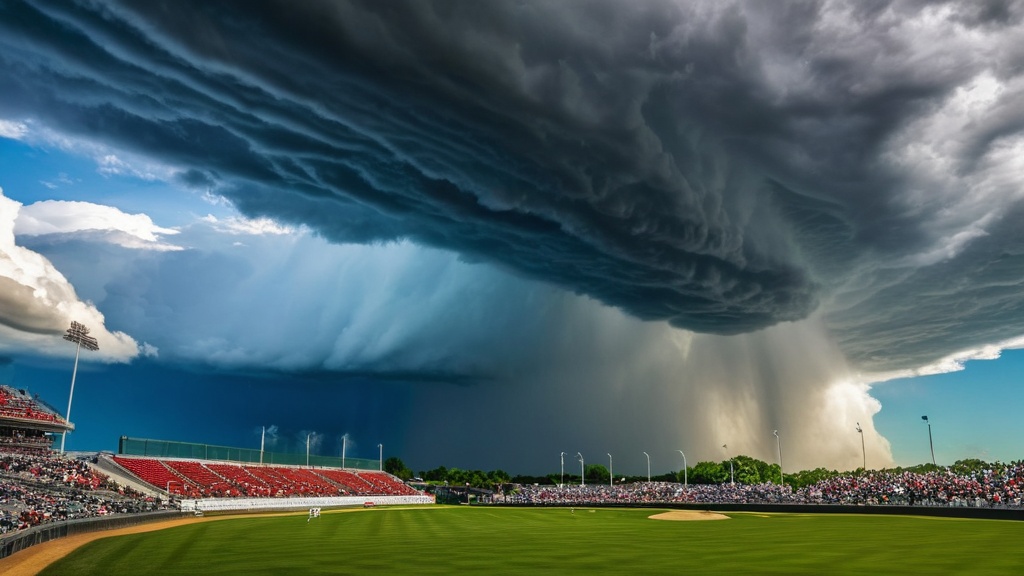
Wind can be a powerful, unseen force. It can significantly alter the dynamics of a competition. Athletes must learn to work with or against it.
Wind’s Influence on Various Sports
- Running and Cycling: Strong headwinds slow athletes down. Tailwinds can provide a significant advantage. Races are often won or lost based on wind.
- Ball Sports: Wind affects the trajectory of balls. A strong gust can send a soccer ball wide. A baseball fly ball might become a home run or an out.
- Water Sports: Wind determines wave conditions. It impacts sailing and rowing. Extreme winds can make conditions unsafe.
- Precision Sports: Archery and shooting require stillness. Wind gusts can make hitting a target incredibly difficult. This demands exceptional focus.
Adapting to the Gusts
- Wind Awareness: Athletes must constantly assess wind direction and speed. This is a crucial part of strategy.
- Technique Adjustments: Runners might lower their stance. Cyclists might draft more closely. Golfers adjust their swing.
- Mental Fortitude: Dealing with frustrating wind conditions requires mental toughness. Athletes must stay focused despite the challenge.
- Equipment Choices: Some sports allow for equipment adjustments. Lighter or heavier equipment might be chosen.
Precipitation’s Play: Rain, Snow, and the Games
| Weather Condition |
Impact on Player Performance |
Impact on Game Strategy |
Example Championship |
Notes |
| Rain |
Reduced grip, increased errors, slower reaction times |
More conservative play, emphasis on ball control |
Wimbledon 2012 (Rain delays) |
Matches often extended due to interruptions |
| High Heat |
Increased fatigue, dehydration risk, slower movement |
Frequent hydration breaks, pacing adjustments |
Australian Open (Summer heat) |
Heat stress protocols implemented |
| Wind |
Unpredictable ball trajectory, difficulty in shot accuracy |
Adjust shot selection, use lower trajectory shots |
US Open (Windy conditions) |
Players often struggle with serve consistency |
| Cold |
Muscle stiffness, slower reflexes |
Longer warm-ups, focus on endurance |
French Open (Early rounds) |
Matches may be slower paced |
| Humidity |
Increased sweating, quicker fatigue |
Hydration focus, energy conservation |
US Open (High humidity) |
Players may cramp more frequently |
Rain and snow introduce elements of unpredictability and difficulty. They can transform playing surfaces and challenge athletes’ footing.
The Impact of Wet and Icy Surfaces
- Reduced Traction: Rain and snow make surfaces slippery. This increases the risk of falls and injuries. Athletes must be more careful with their movements.
- Visibility Issues: Heavy precipitation can reduce visibility. Players may have trouble seeing the ball or each other. This affects coordination and decision-making.
- Ball Behavior: A wet ball is harder to grip. It can travel differently. Soccer balls might skip. Tennis balls become heavier.
- Equipment Challenges: Footwear needs to provide good grip. Athletes might use specialized cleats or spikes.
Strategies for Wet Conditions
- Appropriate Footwear: Wearing shoes with excellent traction is vital. Consider the specific sport and surface.
- Modified Techniques: Athletes may adjust their stride or swing. They might focus on shorter, sharper movements.
- Equipment Maintenance: Keeping equipment dry is important. A slippery racket or club is hard to control.
- Acceptance and Adaptation: Sometimes, accepting the conditions is the first step. Athletes must adapt their game plan to the weather.
Conclusion: Embracing the Elements
Weather is an undeniable factor in championship performance. Athletes train tirelessly, but the elements can always present an unexpected curveball. From the sweltering heat of a summer stadium to the icy grip of winter, understanding and adapting to these conditions is crucial. By respecting the power of nature and employing smart strategies, athletes can transform a potential adversary into just another part of the game. Champions not only conquer their opponents but also master the diverse moods of the sky and the earth. They prove that the greatest victories are often won in the face of adversity, including the weather itself.
FAQs
How does weather affect athletes’ physical performance in championships?
Weather conditions such as temperature, humidity, and wind can influence athletes’ endurance, strength, and overall physical performance. Extreme heat may lead to dehydration and fatigue, while cold weather can cause muscle stiffness and slower reaction times.
Can weather conditions impact the outcome of outdoor championship events?
Yes, weather can significantly impact outdoor events by affecting playing surfaces, visibility, and equipment performance. For example, rain can make fields slippery, wind can alter the trajectory of balls, and fog can reduce visibility for both players and officials.
Do different sports have varying sensitivities to weather changes during championships?
Different sports are affected differently by weather. For instance, endurance sports like marathon running are highly sensitive to temperature and humidity, while sports like golf or sailing are more influenced by wind conditions. Indoor sports are generally less affected by weather.
How do athletes and teams prepare for adverse weather conditions in championships?
Athletes and teams often train in various weather conditions to build adaptability. They may also use specialized gear, adjust strategies, and monitor weather forecasts closely to optimize performance and reduce risks during competitions.
Is there evidence that weather has influenced historical championship results?
Yes, there are documented cases where weather has played a crucial role in championship outcomes. For example, unexpected rain or wind has altered game plans, caused delays, or favored certain athletes better adapted to specific conditions, ultimately impacting final results.