Imagine your favorite event. Was it perfectly timed? Did you feel engaged every moment? New technology makes this a reality. Advanced tools transform how events run. They ensure smooth schedules and happy attendees. This article explores these exciting developments.
Gone are the days of manual stopwatches and paper scorecards. Early timing systems were mechanical. Think of simple chronometers. These were suitable for basic races. They offered limited precision. Accuracy depended on human observation.
Early Mechanical Timers
These devices relied on gears and springs. They measured elapsed time. Their use was straightforward. A runner crossed a line. A button was pressed. The time was recorded. This method was error-prone. It lacked sophisticated data capture.
The Dawn of Electronic Timing
Electronics brought a leap forward. Photoelectric beams became common. When a competitor broke the beam, a timer started or stopped. This significantly improved accuracy. It reduced human error. Still, it was primarily for linear events.
Sophisticated Timing Mats and Chips
Modern events use more advanced methods. Pressure-sensitive mats detect crossing. Radio Frequency Identification (RFID) chips are embedded in bibs or equipment. These chips communicate wirelessly with readers. This provides precise lap times and splits. Every participant gets their own digital footprint.
Synchronization and Global Standards
For large-scale events, synchronization is crucial. GPS technology plays a role. It allows for precise timing across multiple locations. Global standards ensure consistency. This is vital for track and field or marathon events worldwide. It allows for fair competition on any stage.
Smart Scoring and Real-Time Metrics
Event scoring has also transformed. It is no longer just about a final score. Modern systems track multiple data points. This offers a richer understanding of performance. Analytics are key to improvement.
Objective Scoring Mechanisms
Technology ensures objective scoring. Sensors measure speed, distance, and angles. Drones can provide aerial views for judging. This removes subjective bias. Everyone is measured by the same digital yardstick.
Data Integration and Analysis
Scoring systems now integrate data seamlessly. Performance metrics are collected and stored. These data sets are analyzed for insights. Coaches and athletes use this to refine strategies. It’s like having a personal performance advisor.
Automated Scoreboards and Public Displays
Real-time scoreboards are now standard. Attendees see results instantly. This enhances the spectator experience. It keeps everyone informed and excited. Dynamic displays can show standings and key moments. The drama unfolds live for all to see.
AI’s Impact on Event Management
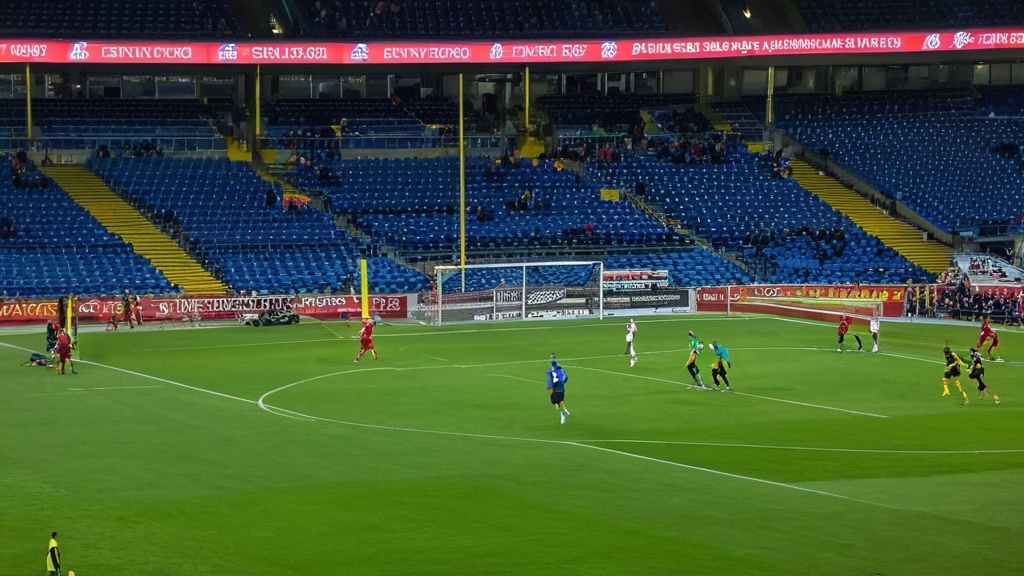
Artificial intelligence is revolutionizing event planning. AI predicts outcomes and optimizes operations. It acts as a tireless event planner. It can handle complex scenarios with ease.
Predictive Analytics for Attendance
AI algorithms can forecast attendee numbers. They analyze past event data. They consider external factors like weather and trends. This helps in resource allocation. More accurately, it ensures you have enough seating.
Optimizing Schedules and Agendas
AI can create optimal event schedules. It suggests session timings. It considers attendee flow and engagement. This prevents bottlenecks. Imagine a smooth journey from one session to the next. AI makes it happen.
Dynamic Real-Time Adjustments
Live events are unpredictable. AI can make real-time adjustments. It might reroute crowds or change session rooms. This ensures the event stays on track. It’s like having a co-pilot for your event. They correct course instantly.
AI Assistants for Logistics
AI-powered assistants help with logistics. They answer common questions. They manage room assignments and resources. This frees up human staff. Staff can focus on more complex issues. It’s a digital helping hand.
Real-Time Sentiment and Engagement Tracking
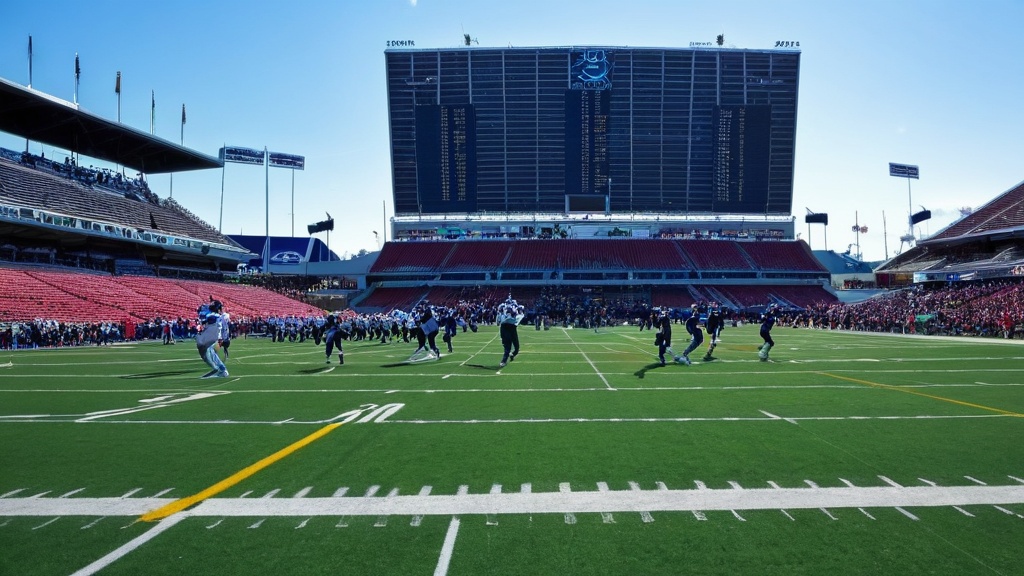
Understanding how attendees feel is crucial. Technology now allows live sentiment analysis. This provides immediate feedback. It helps gauge attendee satisfaction. The emotional pulse of the event is clear.
Monitoring Attendee Emotions
AI tools analyze social media and feedback channels. They identify positive and negative sentiment. This happens in real-time. You can see if attendees are happy or frustrated. It is like a live mood ring for your event.
Engagement Scoring
Engagement scoring quantifies attendee interaction. It tracks participation in sessions. It measures networking activity. It links directly to event success. Did people connect and learn? The score tells you.
Linking Engagement to Business Outcomes
High engagement can predict business results. It correlates with pipeline growth. It influences customer retention. It even impacts revenue. The data reveals the tangible value of engagement. This is a powerful insight for organizers.
Innovations in Automated Scoring and Data Dashboards
| Technology |
Description |
Accuracy |
Common Use Cases |
Advantages |
Limitations |
| Photo Finish Cameras |
High-speed cameras capturing finish line images to determine exact order and times. |
Up to 1/1000th of a second |
Track & field, swimming, cycling races |
Highly accurate, visual proof of finish order |
Requires manual review, expensive equipment |
| RFID Timing Chips |
Radio-frequency identification chips worn by participants to record split and finish times. |
Up to 1/100th of a second |
Marathons, triathlons, cycling events |
Automated timing, real-time tracking |
Signal interference, chip loss or malfunction |
| GPS Tracking |
Satellite-based location tracking to monitor participant progress and timing. |
Variable, typically within 1-5 seconds |
Ultra-marathons, adventure races, cycling |
Real-time location data, route monitoring |
Lower accuracy, signal loss in dense areas |
| Infrared Sensors |
Infrared beams detect when a participant crosses a timing point. |
Up to 1/100th of a second |
Indoor races, swimming, short-distance sprints |
Non-contact, fast detection |
Limited range, requires line of sight |
| Manual Timing with Stopwatches |
Human-operated timing using handheld stopwatches. |
Up to 1/10th of a second |
Small events, backup timing |
Low cost, simple setup |
Human error, less precise |
Modern platforms automate data collection. They present insights on clear dashboards. This makes data easy to access. It highlights key performance indicators. Organizers get a clear picture instantly.
Integrated Data Platforms
These platforms pull data from various sources. They combine registration, attendance, and feedback. Everything is in one central location. This simplifies data management. You see the full story of your event.
Key Performance Indicators (KPIs)
Dashboards display important metrics. These include cost per attendee. Session participation rates are shown. Networking match success is measured. Return on Investment (ROI) is calculated automatically. These numbers guide future events.
Automatic Data Integration
Data flows automatically from proposals to attendance behavior. This saves immense time. It reduces manual data entry errors. The data is always current. It reflects the live event. Decisions can be made swiftly.
Actionable Insights from Raw Data
The dashboards transform raw data. They provide actionable insights. Organizers know what worked and what didn’t. They can improve future events. It’s like having a clear map to success.
The Future: Seamless and Intelligent Events
The trends point to even more integrated systems. AI will become more sophisticated. Events will feel effortlessly managed. Attendee experience will be paramount. The goal is always a memorable and successful event.
Hyper-Personalized Experiences
Future events may offer hyper-personalized tracks. AI will tailor content and networking. Each attendee receives a unique experience. It’s like a bespoke suit for every guest.
Predictive Problem Solving
AI will anticipate issues before they arise. It will suggest solutions proactively. This creates an almost invisible management layer. Problems are fixed before people notice.
Enhanced Real-Time Interaction
Augmented reality and virtual reality will integrate. These technologies will boost engagement. They will offer new ways to interact. The event world is blurring. It’s becoming more immersive for everyone.
Data-Driven Continuous Improvement
The cycle of data collection and analysis will accelerate. Every event will inform the next. This leads to continuous improvement. Organizers will refine their craft. Events will get better and better.
The advancements in event timing and scoring technology are remarkable. They are transforming how we experience and manage events. These tools empower organizers and enhance attendee satisfaction. The future promises even more intelligent and engaging event experiences for all.
FAQs
What technologies are commonly used in event timing and scoring?
Common technologies include RFID chips, photo-finish cameras, GPS tracking, and electronic timing mats. These tools help accurately record participants’ times and positions in real-time.
How does RFID technology improve event timing accuracy?
RFID (Radio Frequency Identification) chips are attached to participants and detected by sensors at various points on the course. This allows for precise timing without manual intervention, reducing errors and improving reliability.
What role do photo-finish cameras play in scoring events?
Photo-finish cameras capture high-speed images at the finish line to determine the exact order of participants crossing. This is crucial in close races where manual observation may be insufficient.
Can GPS tracking be used for timing in outdoor events?
Yes, GPS tracking devices can monitor participants’ locations and times throughout an event, especially in long-distance races or multi-stage competitions, providing detailed performance data.
How has technology impacted the fairness and transparency of event scoring?
Technology has enhanced fairness by minimizing human error and bias in timing and scoring. Real-time data collection and instant result dissemination increase transparency for participants and spectators alike.