Anti-doping education plays a crucial role in promoting integrity and fairness in sports. It helps athletes understand the rules and regulations surrounding performance-enhancing drugs. By providing knowledge about the risks and consequences of doping, educational programs empower athletes to make informed choices. For instance, a young athlete might learn that using steroids not only violates competition rules but can also lead to serious health issues.
Moreover, anti-doping education fosters a culture of clean sport. When athletes are educated about the importance of competing fairly, they are more likely to reject doping. This creates an environment where integrity is valued, and athletes can take pride in their achievements. Educational initiatives can include workshops, seminars, and online resources that engage athletes in discussions about ethics and health.
Key Takeaways
- Anti-doping education is essential for promoting fair play and integrity in sports.
- Understanding the health risks and performance impacts of doping helps athletes make informed choices.
- Coaches and support staff play a crucial role in reinforcing anti-doping principles.
- Early education for young athletes fosters a culture of clean sport from the start.
- Ongoing resources and support are vital for empowering athletes against doping pressures.
Understanding the Dangers of Doping in Athletics
Doping poses significant dangers to athletes, both physically and mentally. Many performance-enhancing substances can lead to severe health complications. For example, anabolic steroids can cause heart problems, liver damage, and hormonal imbalances. Athletes may feel pressured to use these substances to gain a competitive edge, but the long-term consequences can be devastating.
Additionally, doping can lead to psychological issues such as anxiety and depression. Athletes may experience a sense of isolation or fear of being caught, which can affect their mental well-being. Understanding these dangers is essential for athletes at all levels. By recognizing the risks associated with doping, they can make healthier choices that prioritize their overall well-being.
The Impact of Doping on Athletes’ Health and Performance
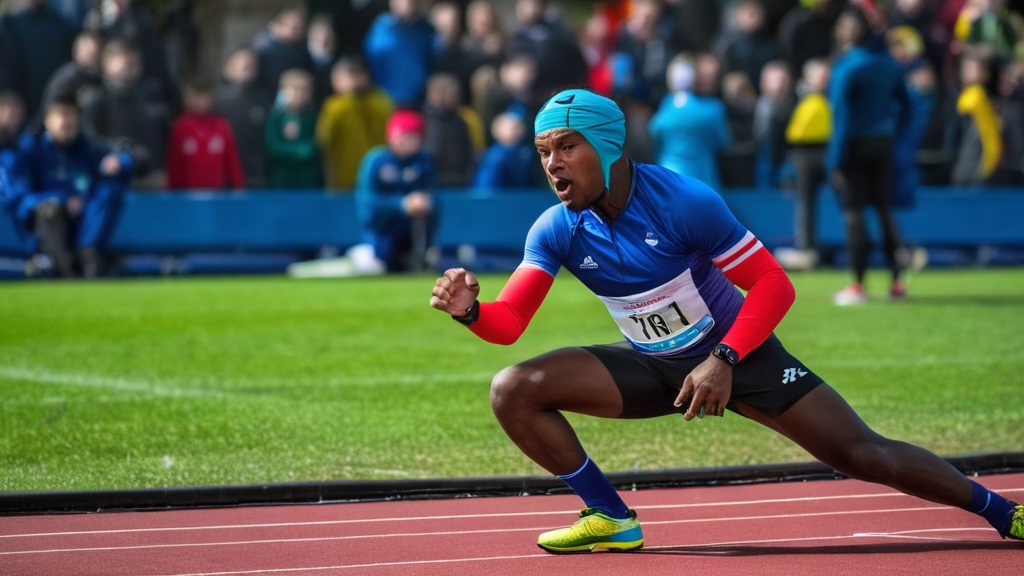
The impact of doping on an athlete’s health can be profound and long-lasting. While some may believe that performance-enhancing drugs will improve their abilities, the reality is often different. For instance, studies show that athletes who use steroids may experience short-term gains but face long-term health issues like infertility or cardiovascular disease (Pope et al., 2014).
Moreover, doping can lead to a decline in performance over time. The body may become reliant on these substances, leading to decreased natural ability. An athlete who initially excels may find themselves struggling as their body suffers from the side effects of drug use. This cycle can create a false sense of security, ultimately harming their career and health.
Promoting Fair Play and Integrity in Sports

Promoting fair play is essential for maintaining the integrity of sports. When athletes compete without the influence of performance-enhancing drugs, the competition becomes more genuine. Fans appreciate watching athletes who rely on their hard work and dedication rather than artificial enhancements. This authenticity fosters a deeper connection between athletes and their supporters.
Furthermore, fair play encourages respect among competitors. Athletes who adhere to anti-doping regulations demonstrate a commitment to their sport and fellow competitors. This respect can lead to stronger relationships within teams and across sports disciplines. By promoting fair play, sports organizations can cultivate an environment where everyone strives for excellence without compromising their values.
The Importance of Anti-Doping Education for Young Athletes
| Metric |
Description |
Value |
Unit |
Source |
| Number of Anti-Doping Education Programs |
Total programs conducted globally in 2023 |
450 |
Programs |
World Anti-Doping Agency (WADA) |
| Percentage of Athletes Educated |
Proportion of registered athletes who completed anti-doping education |
78 |
% |
WADA Annual Report 2023 |
| Average Hours of Education per Athlete |
Average time spent on anti-doping education per athlete |
3.5 |
Hours |
International Sports Federation Data |
| Reduction in Doping Violations |
Decrease in doping violations after education program implementation |
15 |
% |
National Anti-Doping Agencies |
| Number of Educational Workshops |
Workshops held for coaches and support staff in 2023 |
120 |
Workshops |
WADA Education Department |
| Online Course Completion Rate |
Percentage of athletes completing online anti-doping courses |
85 |
% |
Global Anti-Doping Education Platform |
Young athletes are particularly vulnerable to the pressures of doping. They may feel the need to perform at high levels to secure scholarships or professional contracts. Anti-doping education is vital in helping them navigate these pressures. By instilling values of integrity and health from an early age, young athletes can develop a strong foundation for their careers.
Educational programs tailored for youth can address common misconceptions about doping. For example, many young athletes might believe that using certain substances is harmless or even necessary for success. By providing accurate information about the risks and consequences, educators can help them make informed decisions that prioritize their health and future.
Recognizing the Signs and Consequences of Doping
Recognizing the signs of doping is crucial for coaches, teammates, and support staff. Changes in an athlete’s behavior or physical appearance can indicate potential drug use. For instance, sudden weight gain or loss, mood swings, or increased aggression may raise red flags. Awareness of these signs allows for early intervention and support.
The consequences of doping extend beyond individual athletes. Teams and organizations can face severe penalties if an athlete tests positive for banned substances. This can include loss of titles, fines, or damage to reputation. Understanding these consequences reinforces the importance of clean sport and encourages athletes to stay away from doping.
Empowering Athletes to Make Informed Decisions
Empowering athletes involves providing them with the tools they need to make informed decisions about their health and performance. This includes access to reliable information about nutrition, training techniques, and the dangers of doping. Athletes should feel confident in their ability to choose natural methods for improving performance.
Support systems play a vital role in this empowerment process. Coaches, trainers, and mentors should encourage open discussions about doping and its implications. By fostering an environment where questions are welcomed, athletes can seek guidance without fear of judgment. This approach helps them build resilience against external pressures to dope.
The Role of Coaches and Support Staff in Anti-Doping Education
Coaches and support staff are instrumental in anti-doping education efforts. They serve as role models for young athletes and can influence their attitudes toward doping. By prioritizing clean sport in training programs, coaches can instill values of integrity and respect for competition.
Additionally, coaches should stay informed about anti-doping regulations and resources available for athletes.
They can facilitate discussions about the risks associated with doping and encourage athletes to seek help if they feel pressured to use performance-enhancing substances.
This proactive approach creates a supportive environment where athletes feel safe discussing their concerns.
Creating a Culture of Clean Sport
Creating a culture of clean sport requires collaboration among all stakeholders in athletics. Sports organizations, coaches, parents, and athletes must work together to promote anti-doping initiatives. This collective effort fosters an environment where clean competition is celebrated and valued.
One effective strategy is to highlight positive role models who exemplify clean sport principles. Celebrating athletes who achieve success without resorting to doping sends a powerful message to aspiring competitors. By showcasing these individuals’ stories, organizations can inspire others to follow suit and prioritize integrity in their athletic pursuits.
Resources and Support for Athletes in Anti-Doping Education
Numerous resources are available to support athletes in anti-doping education efforts. Organizations like the World Anti-Doping Agency (WADA) provide comprehensive information on banned substances and testing procedures. Athletes can access educational materials that explain the importance of clean sport and how to avoid unintentional doping.
Local sports organizations often offer workshops or seminars focused on anti-doping education as well. These events provide opportunities for athletes to engage with experts in the field and ask questions about their concerns. Utilizing these resources empowers athletes to take charge of their health and make informed choices.
The Future of Anti-Doping Education in Sports
The future of anti-doping education looks promising as awareness continues to grow within the sports community. Advances in technology allow for more effective educational tools, such as interactive online courses or mobile apps that provide real-time information on doping regulations.
Moreover, ongoing research into the effects of doping will enhance educational programs’ relevance and effectiveness. As new substances emerge, anti-doping education must adapt to address these challenges proactively. By staying ahead of trends and fostering open communication among all stakeholders, we can create a healthier sporting environment for future generations.
In conclusion, anti-doping education is essential for promoting integrity, health, and fair play in sports. By understanding the dangers of doping and empowering athletes with knowledge, we can foster a culture that values clean competition above all else. Through collaboration among coaches, support staff, organizations, and athletes themselves, we can ensure that future generations enjoy sports free from the influence of performance-enhancing drugs.