Your mind is a powerful tool. It shapes your athletic performance. Learning to control it can unlock your full potential. This guide explores mental training for athletes.
Physical training is crucial. But mental strength is equally vital. Top athletes often speak of the “mental game.” It separates good from great.
Your thoughts impact your body. Stress affects muscle tension. Focus improves reaction time. Mental skills are trainable.
Beyond Physical Limits
Imagine two equally fit runners. One believes they can win. The other doubts their ability. The confident runner often performs better. Their mind gives them an edge.
Mental toughness isn’t innate. You can develop it. Just like you train your muscles, train your brain.
Understanding Mental Skills Training
Mental skills training (MST) strengthens your psychological game. It involves specific techniques. These techniques improve focus and manage stress. MST boosts confidence.
It’s not about being “tough.” It’s about being strategic. You learn to control your inner voice. This prevents it from hindering performance.
The Science Behind It
Research supports MST’s effectiveness. Studies show athletes using MST perform better. They cope with pressure more effectively. The Journal of Sport and Exercise Psychology has many examples.
Positive self-talk can reduce anxiety. Visualization improves motor skills. These are proven strategies.
Key Mental Skills for Athletes
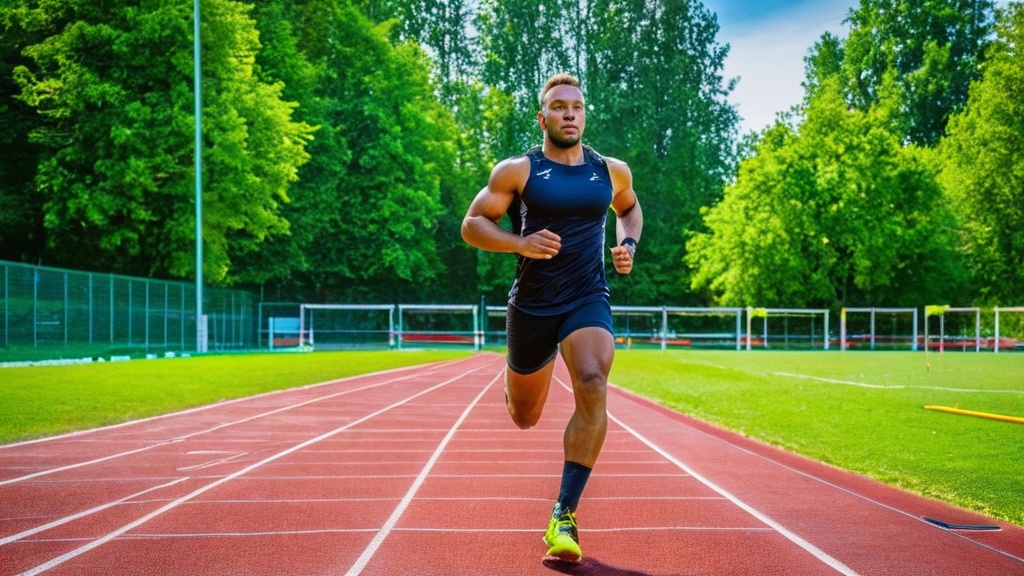
Several core mental skills improve performance. These skills are interconnected. Developing one often strengthens others.
Goal Setting
Setting clear, achievable goals is fundamental. Goals provide direction. They motivate you during training. Break big goals into smaller steps.
A swimmer aiming for an Olympic medal might first aim for a personal best. Then, they target a regional victory. Each step builds momentum and confidence.
- SMART Goals: Make goals Specific, Measurable, Achievable, Relevant, and Time-bound. This framework helps you stay on track.
- Process vs. Outcome Goals: Focus on the process. Outcome goals are important, but process goals are controllable. A basketball player can focus on making 10 free throws in practice (process). Winning the game (outcome) depends on many factors.
Visualization and Imagery
See yourself succeeding. Visualization creates mental blueprints. Your brain “practices” the action. This enhances skill execution.
A gymnast might visualize a perfect routine. They feel the movements. They see themselves landing flawlessly. This mental rehearsal prepares them for reality.
- Sensory Richness: Engage all senses. What do you see, hear, feel? Imagine the crowd’s roar. Feel the sweat on your skin.
- Internal vs. External Perspective: See yourself from within your body (internal). Or see yourself as an observer (external). Both have benefits.
Self-Talk and Affirmations
Your inner dialogue matters. Positive self-talk builds confidence. Negative self-talk creates doubt. Become aware of your thoughts.
When you make a mistake, do you say “I’m terrible”? Or do you say “I’ll learn from that”? Shift negative thoughts to positive ones.
- Identify Negative Patterns: Notice when you criticize yourself. Write down recurring negative thoughts.
- Replace with Positive Statements: “I can do this.” “I am strong.” “I will focus on the present moment.” These affirmations rewire your brain.
Arousal Control and Relaxation
Managing pre-competition nerves is crucial. Too much arousal can hinder performance. Too little can lead to sluggishness. Find your optimal zone.
A runner might feel their heart race before a big race. Deep breathing can calm them. They can then channel that energy.
- Deep Breathing Techniques: Inhale slowly through your nose. Exhale slowly through your mouth. This activates your parasympathetic nervous system.
- Progressive Muscle Relaxation: Tense a muscle group. Hold. Release. Move through your body. This teaches you to recognize and release tension.
Implementing Mental Training in Your Routine
Integrate mental skills into daily practice. Don’t wait for competition day. Treat mental training like physical conditioning.
Start small. Dedicate a few minutes each day. Consistency is key. Over time, these skills become second nature.
Daily Drills for Your Mind
Just like physical drills, mental drills build strength. Practice these regularly.
- Mindful Moments: Take a few deep breaths during warm-up. Focus on the sensations in your body. This improves present moment awareness.
- Pre-Performance Routines: Develop a consistent routine. This might involve specific stretches. It could also include visualization. This routine signals your brain to prepare.
- Post-Performance Review: Reflect on your performance. What went well? What could improve? This fosters continuous learning. Don’t dwell on mistakes; extract lessons.
Overcoming Challenges and Building Resilience
| Metrics |
Definition |
| Focus |
The ability to concentrate on the task at hand and block out distractions. |
| Visualization |
Mentally picturing successful performance to enhance actual execution. |
| Self-talk |
The internal dialogue that can be used to boost confidence and motivation. |
| Goal setting |
The process of establishing specific, measurable objectives to strive for. |
| Emotional control |
Regulating and managing emotions to maintain optimal performance. |
Athletic journeys are rarely smooth. You will face setbacks. Injuries, losses, and plateaus are common. Mental resilience helps you bounce back.
Resilience is your ability to adapt. It allows you to grow from adversity. This makes you a stronger athlete.
Learning from Setbacks
Mistakes are learning opportunities. Do not view them as failures. Analyze what happened. Adjust your approach.
A tennis player who double-faults might practice their serve more. They learn to refocus after an error. This builds mental toughness.
- Reframing Failure: Instead of “I failed,” think “I learned.” This shifts your perspective.
- Focus on Controllables: You can’t control every outcome. You can control your effort. You can control your attitude.
Building a Support System
You don’t have to go it alone. A strong support system is invaluable. This includes coaches, teammates, and family.
Talk about your challenges. Seek guidance when needed. A positive environment fosters growth.
- Connect with Teammates: Share experiences. Encourage each other. You are all on a similar journey.
- Seek Professional Guidance: A sports psychologist can provide expert support. They offer personalized strategies. They help navigate complex mental challenges.
The Long-Term Benefits of Mental Mastery
Mastering your mind extends beyond sports. The skills you learn are life skills. They improve focus, resilience, and well-being.
Your athletic career might be temporary. But your mental strength will last. It empowers you in all aspects of life.
Beyond the Field: Life Skills
Goal setting helps with career planning. Stress management aids daily challenges. Positive self-talk improves self-esteem.
These skills contribute to personal growth. They create a more balanced individual.
Sustaining Peak Performance
Mental training is an ongoing process. It’s not a one-time fix. Continue to refine your skills. Adapt them to new challenges.
Just as you maintain physical fitness, maintain mental fitness. This ensures sustained peak performance. Your mind is your greatest asset. Train it wisely.
FAQs
What is mental training in athletics?
Mental training in athletics refers to the practice of using psychological techniques to improve performance, manage stress, and enhance overall mental well-being in sports. It involves strategies such as visualization, goal setting, self-talk, and relaxation techniques.
How does mental training benefit athletes?
Mental training can benefit athletes in various ways, including improved focus and concentration, enhanced confidence, better stress management, increased motivation, and the ability to perform under pressure. It can also help athletes overcome performance barriers and develop a resilient mindset.
What are some common mental training techniques used in athletics?
Common mental training techniques used in athletics include visualization, where athletes mentally rehearse their performance; goal setting, which involves setting specific, measurable, achievable, relevant, and time-bound goals; self-talk, where athletes use positive affirmations to boost confidence; and relaxation techniques, such as deep breathing and progressive muscle relaxation.
Who can benefit from mental training in athletics?
Athletes of all levels, from recreational to professional, can benefit from mental training. It is not limited to a specific sport or skill level and can be tailored to individual needs and goals. Coaches and sports teams can also benefit from incorporating mental training into their training programs.
How can athletes incorporate mental training into their routine?
Athletes can incorporate mental training into their routine by working with sports psychologists or mental training coaches, practicing mental skills during training sessions, and integrating mental training techniques into their pre-game or pre-competition routines. Consistent practice and application of mental training techniques can help athletes develop a strong mental game.