Want to soar higher? A powerful vertical jump is a game-changer. Athletes dominate fields and courts with impressive leaps. But you don’t need to be a pro to jump higher. Smart training unlocks your explosive potential.
Your vertical jump is a complex movement. It relies on strength and speed. Muscles in your legs and hips generate power. Fast-twitch muscle fibers are key players. They contract quickly for explosive force. Untrained individuals often underutilize this power. Building this power takes dedicated practice.
The Science Behind the Leap
The jump involves several phases. The countermovement is crucial. You quickly dip down and then spring up. This stretch-shortening cycle stores elastic energy. Muscles and tendons act like rubber bands. They recoil, adding to your jump height. Efficient coordination amplifies this effect.
Factors Influencing Jump Height
Genetics play a role. Some people naturally have more fast-twitch fibers. Body weight also matters. Less excess weight means less to lift. Muscle power is the primary trainable factor. Flexibility and technique are also important. They prevent injury and improve efficiency.
Building Foundational Strength
A strong base makes for a higher jump. Focus on compound exercises. These work multiple muscle groups simultaneously. They mimic the movements of jumping. Leg press targets your quads and hamstrings. Squats are a fundamental strength builder. Lunges improve balance and single-leg strength.
Squats for Power
Squats are excellent for leg strength. They work your quadriceps, hamstrings, and glutes. Many variations exist, from bodyweight to weighted. Start with proper form. Keep your back straight and chest up. Lower yourself as if sitting in a chair. Go as deep as you comfortably can.
Bodyweight Squats
These require no equipment. They are a perfect starting point. Focus on controlled movement. Feel your muscles working. Aim for three sets of 10-15 repetitions. Gradually increase the number of sets or reps.
Goblet Squats
Hold a dumbbell or kettlebell at your chest. This engages your core more. It also helps with an upright torso. Perform these with good posture. Repeat the same set and rep scheme.
Lunges for Balance and Strength
Lunges develop balance. They also build single-leg power. Step forward and lower your back knee. Keep your front knee behind your toes. Push off the front foot to return. Alternate legs for each repetition.
Forward Lunges
These are a common variation. They target the front leg’s muscles. Ensure a controlled descent. Return to the starting position smoothly. Perform three sets of 10-12 per leg.
Reverse Lunges
Stepping backward can be easier on knees. It still builds significant strength. This variation improves stability. Maintain the same form principles. Complete three sets of 10-12 per leg.
Deadlifts for Posterior Chain Power
Deadlifts are king for posterior chain strength. This includes your hamstrings, glutes, and back. Strong glutes are vital for jumping. Proper form is absolutely critical here. Lift with your legs, not your back.
Romanian Deadlifts (RDLs)
These focus on the hamstring and glutes. They involve a slight bend in the knees. Hinge at your hips, keeping your back straight. Lower the weight while feeling a stretch. This is a foundational move for explosive power. Start with lighter weights to master the hinge.
Developing Explosive Power (Plyometrics)
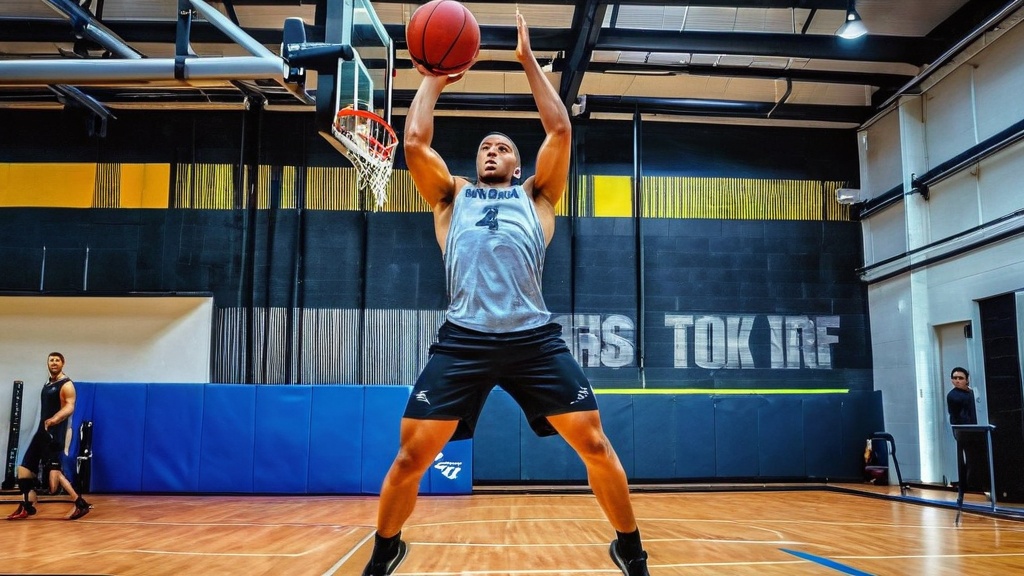
Plyometrics train muscles to generate force quickly. They involve rapid stretching and contracting. Think of a rebounding ball. It uses elastic energy to bounce back. These exercises amplify your jump. Start slowly to avoid injury.
Box Jumps
Box jumps train your explosive power. They also improve landing mechanics. Choose a box height that challenges you. Jump onto the box with both feet, landing softly. Step down carefully. Do not jump down.
Controlled Landings
Focus on absorbing impact. Land with knees bent. Think of landing as quietly as possible. This protects your joints. Practice this technique with each jump. Gradually increase box height as you advance.
Jump Squats
Jump squats combine squatting with an explosive jump. Perform a squat, then jump powerfully upward. Land softly and immediately prepare for the next rep. This is a demanding exercise. Master the regular squat first.
Explosive Takeoffs
Initiate the jump from the bottom of the squat. Drive through your heels and toes. Extend your hips and knees fully. Aim for maximum height. This trains your body to activate muscles faster.
Depth Jumps
Depth jumps are advanced plyometrics. You drop from a small height. Immediately upon landing, jump as high as possible. The step stool or low box is your starting point. This utilizes the stretch-shortening cycle powerfully. This requires advanced conditioning.
Quick Ground Contact
The goal is minimal ground contact time. The quicker you spring up after landing, the better. This mimics the reactive nature of a powerful jump. Focus on immediate rebound. This technique is highly effective.
Enhancing Ankle and Calf Strength

Your ankles and calves play a critical role. They provide the final push-off. Strong calves contribute to the vertical force. Ankle stability prevents injuries. Focused training here pays dividends.
Calf Raises
Calf raises isolate your calf muscles. Stand on a raised surface. Let your heels hang off the edge. Rise up onto your toes as high as possible. Lower your heels slowly below the surface. This creates a full range of motion.
Standing Calf Raises
These are the most common. You can perform them with bodyweight. Holding dumbbells adds resistance. Focus on the squeeze at the top. Feel the contraction in your calves. Perform three sets of 15-20 repetitions.
Seated Calf Raises
These target a different part of the calf muscle. Sit on a bench with your feet flat. Place weights on your knees. Lift your heels off the ground. This variation adds another dimension to calf training.
Ankle Mobility Drills
Good ankle mobility is essential for jumping. It allows for a deeper countermovement. It also helps absorb landing forces. Dynamic stretching is best before activity. Static stretching is better post-workout.
Ankle Circles
Rotate your ankle in both directions. This warms up the joint. Perform 10-15 circles in each direction. This is a simple yet effective warm-up. Include this in your pre-jump routine.
Dorsiflexion Exercises
This is the action of pulling your toes upward. You can do this against resistance. Loop a resistance band around your foot. Pull your toes towards your shin. This improves range of motion.
Improving Jumping Technique and Form
| Vertical Jump Training Metrics |
Results |
| Starting Vertical Jump Height |
15 inches |
| Ending Vertical Jump Height |
20 inches |
| Duration of Training |
8 weeks |
| Number of Training Sessions per Week |
3 sessions |
| Types of Exercises |
Squats, Plyometrics, Box Jumps |
Proper technique maximizes your jump. It ensures you use your body efficiently. Think of it as optimizing the mechanics of flight. Small adjustments can yield big improvements. Focus on fluid motion.
The Countermovement
The dip before the jump is vital. This is the countermovement. It stores elastic energy. A quick, controlled dip is best. Don’t go too deep or too shallow. Find the sweet spot for you.
Hip Hinge and Knee Flexion
A good countermovement involves a hip hinge. Your hips move backward. Your knees also bend. This loads your glutes and quads. It prepares them for explosive extension.
Arm Swing for Momentum
Your arms generate significant momentum. Swing them down and back during the countermovement. Then, swing them up forcefully as you jump. This upward drive adds inches to your leap. Practice this coordinated effort.
Coordinated Timing
Ensure your arm swing matches your leg drive. The peak of your arm swing should coincide with your jump’s peak. This synchronized movement is crucial. It amplifies the upward force.
Landing Softly and Safely
Landing is as important as jumping. Absorb impact through your legs. Your knees and hips should bend. This cushions the landing. Avoid stiff-legged landings. They can injure your knees and ankles.
Rebounding Effortlessly
Practice landing softly. Think about absorbing the shock. This improves your ability to jump again quickly. Soft landings also prevent long-term joint damage. It’s a sign of good control.
Sample Training Programs and Progression
Consistency is key for improvement. A structured program guides your progress. Start with simpler exercises. Gradually increase intensity and complexity. Listen to your body. Rest is crucial for muscle recovery and growth.
Beginner Program Focus
Beginners should prioritize foundational strength. Squats and lunges are excellent. Some basic calf raises are beneficial. Introduce simple box jumps with low heights. Focus on mastering the form. Three training days per week often suffice.
Two-Day Split Example
Day 1: Squats, Lunges, Calf Raises, Box Jumps (low)
Day 2: Rest or light active recovery.
Day 3: Deadlifts (light), Romanian Deadlifts, Ankle Mobility.
Day 4: Rest.
Day 5: Repeat Day 1.
Rest days are vital for recovery.
Intermediate Progression
Intermediate athletes can add plyometrics. Increase the intensity of strength work. Introduce jump squats. Gradually increase box jump height. Consider adding depth jumps with caution. Four training days may be appropriate.
Four-Day Split Example
Day 1: Heavy Squats, Calf Raises, Hip Thrusts.
Day 2: Plyometrics (Box Jumps, Jump Squats), Light Core Work.
Day 3: Rest.
Day 4: Deadlifts, Romanian Deadlifts, Hamstring Curls.
Day 5: Plyometrics (Depth Jumps – low), Ankle Stability Exercises.
Day 6 & 7: Rest.
Advanced Training Considerations
Advanced jumpers refine their technique. They increase the volume and intensity. They may incorporate more complex plyometrics. Heavy lifting remains important. Specialized drills target specific weaknesses. Five training days might be used.
Periodization and Deloading
Advanced programs often use periodization. This means cycling through different training phases. Deload weeks reduce training volume. This allows for super-compensation. It prevents burnout and plateaus. Always consult a fitness professional.
Nutrition and Recovery for Optimal Results
Your body needs fuel and rest to rebuild. Proper nutrition supports muscle growth. Adequate sleep is essential for recovery. These factors are as important as training. Neglecting them limits your progress.
Balanced Diet Fuel
Consume enough protein for muscle repair. Lean meats, fish, eggs, and beans provide it. Carbohydrates give you energy for workouts. Whole grains and fruits are good sources. Healthy fats support hormone production. Avocados and nuts are excellent.
Hydration is Key
Drink plenty of water throughout the day. Hydration affects performance. It also aids in recovery. Dehydration can lead to fatigue. Carry a water bottle as a reminder.
The Power of Sleep
Sleep is when your body repairs itself. Aim for 7-9 hours of quality sleep. Muscle growth occurs during deep sleep. Poor sleep hinders recovery. It can also increase injury risk. Prioritize your rest.
Active Recovery
Light activities on rest days help. Walking, cycling, or swimming can promote blood flow. This aids in muscle repair. It also reduces stiffness. Listen to your body for what feels best.
Listening to Your Body
Pay attention to fatigue and pain. Pushing too hard can lead to injuries. Rest days are not lazy days; they are necessary. If something hurts, stop. Consult a healthcare provider for persistent pain. Your health comes first.
FAQs
What is vertical jump training?
Vertical jump training is a type of exercise program designed to improve an individual’s ability to jump higher. It typically involves a combination of strength training, plyometric exercises, and flexibility training to enhance the muscles and movements involved in jumping.
What are the benefits of vertical jump training?
Vertical jump training can lead to improved athletic performance, particularly in sports that require jumping, such as basketball, volleyball, and track and field. It can also help increase overall lower body strength, power, and explosiveness.
How long does it take to see results from vertical jump training?
The timeline for seeing results from vertical jump training can vary depending on individual factors such as starting fitness level, consistency of training, and adherence to the program. However, many people may start to see improvements in their vertical jump within a few weeks to a few months of dedicated training.
Are there any risks or considerations to keep in mind when doing vertical jump training?
As with any exercise program, it’s important to start gradually and progress slowly to avoid injury. It’s also important to use proper form and technique during exercises to minimize the risk of strain or overuse injuries. Individuals with pre-existing medical conditions or injuries should consult with a healthcare professional before starting a vertical jump training program.
What are some common exercises used in vertical jump training?
Common exercises used in vertical jump training include squats, lunges, calf raises, box jumps, depth jumps, and various plyometric drills. These exercises are designed to target the muscles involved in jumping and to improve explosive power and strength.