Imagine the thrill of crossing the finish line first. Feel the crowd roar. Speed is a powerful human desire. It fuels our sports and our ambitions. Developing your sprint speed requires smart training. This guide unlocks your potential.
Faster running starts with a strong base. Your body needs to be prepared. This involves more than just running fast. It’s about creating the right conditions for speed. Proper preparation prevents injury. It also sets you up for bigger gains.
Warm-up Rituals for Speed
A good warm-up prepares your muscles and mind. It should increase blood flow. It activates your nervous system. Dynamic movements are key here. Think about getting your body ready to move explosively.
Dynamic Stretching Essentials
Instead of holding stretches, move through ranges of motion. Leg swings prepare your hips and hamstrings. Arm circles loosen your shoulders. High knees engage your quads. Butt kicks target your hamstrings. These movements mimic sprinting actions.
Activation Drills for Power
Drills wake up your fast-twitch muscle fibers. Ankle springing improves leg stiffness. This means your legs snap back faster. Barefoot work can help with this. It enhances your foot’s natural spring. Calf raises with a hold build strength. You can use wall support for balance. Aim for 45 to 60 seconds per set. This makes your calves more resilient.
Mastering the Mechanics of Speed
Sprinting is a technical skill. Every movement counts for maximal velocity. Small adjustments can lead to big improvements. Focus on efficiency and power transfer. Your body should work like a finely tuned machine.
The “Hard Z” Sprint Technique
This refers to an optimal leg position. Your foot should be behind your knee at its highest point. Then, strike the ground quickly on your forefoot. This creates a powerful forward propulsion. Think of it as a rapid “Z” shape with your leg.
Foot Strike and Ground Contact
Always aim to land on your forefoot. This is crucial for absorbing impact. It also allows for quicker push-off. Avoid heavy heel striking. That slows you down and can cause injury. Your foot contact should be brief and powerful.
Key Drills for Sprint Efficiency
Specific drills train your body for speed. A-skips and B-skips are excellent. They work your hip flexors and hamstrings. This improves your leg drive.
The Art of Skipping for Speed
Skipping drills reinforce proper leg action. High knees make your knees drive up forcefully. Butt kicks ensure your hamstrings are engaged. Ankle work involves small, quick steps. You can also do a heel-to-toe roll. This refines your foot mechanics.
Embracing Plyometrics for Explosiveness
Plyometrics build explosive power. Box jumps are a classic example. You jump onto a raised platform. Broad jumps test your horizontal power. These exercises train your muscles to contract rapidly. This translates directly to faster sprinting.
Developing Power and Strength

Pure speed needs underlying strength. Your muscles must be capable of generating force. This strength needs to be explosive. It’s not just about lifting heavy weight. It’s about moving that weight quickly.
Strength Training for Sprinters
Focus on compound movements. Squats and hinges work your lower body. Bilateral squats engage both legs. Unilateral exercises, like lunges, work each leg independently. This builds balanced strength.
Power Builders and Potentiation
Post-activation potentiation (PAP) is your friend. This means doing a heavy lift, then an explosive movement. Try a heavy sled push for 10 meters. Immediately follow this with box jumps or broad jumps. This primes your muscles for maximum output.
Essential Core Strength
A strong core is vital for stability. It connects your upper and lower body. This allows for efficient force transfer. Planks and crunches are simple but effective. They build a resilient midsection.
Hamstring and Calf Strength
Nordic curls are fantastic for hamstrings. They build eccentric strength. This helps prevent hamstring injuries. Calf raises are essential for ankle power. Hold the contraction for maximum benefit. Leg extensions can also target your quads.
Advanced Training Techniques
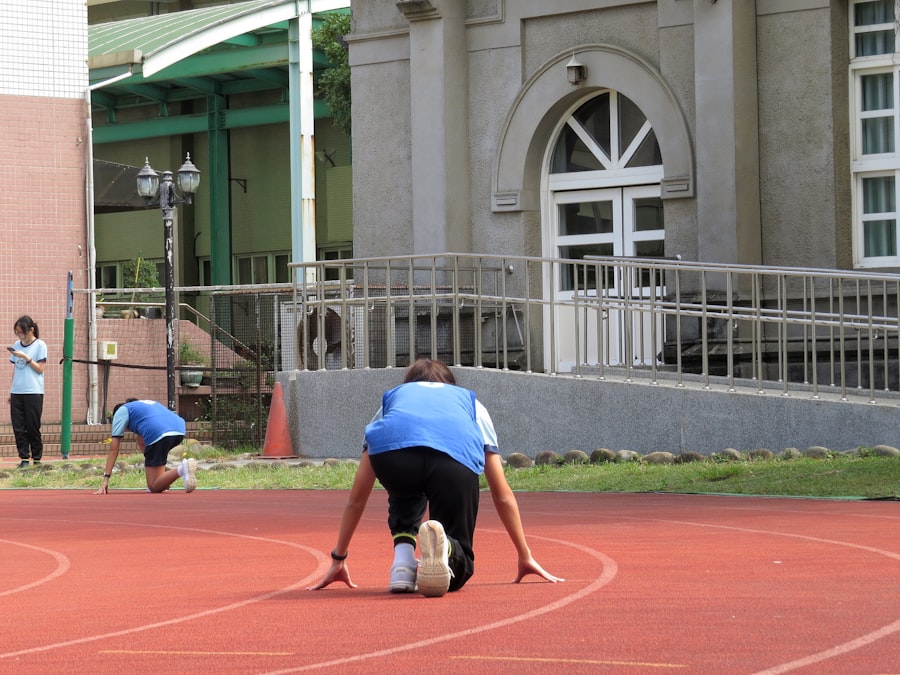
Once your foundation is solid, explore advanced strategies. These methods push your limits. They require careful application and recovery.
The Power of Resisted Sprints
Resisted sprints add extra resistance. You can use sleds or resistance bands. This forces your muscles to work harder. It improves your acceleration. You must practice form during these.
Sprinting Drills Alpha Insights
New training programs offer structured approaches. Olympian Ken Harnden’s course includes crucial elements. It covers warm-ups, max velocity work, and reaction drills. These are designed for peak performance.
Building Speed Endurance
Short bursts are not enough for all races. You need to maintain speed. Speed endurance training is key. This involves longer sprints with less rest. Gradually build your capacity.
Incline Runs for Power and Stamina
Running up inclines builds leg strength. It also improves your stamina. Start with shorter inclines. Work up to 80-120 meter runs. Aim for 4-5 repetitions. Allow for slow recovery between efforts. This builds both power and endurance.
Integrating Training for Peak Performance
| Metrics |
Value |
| 100m Sprint Time |
10.5 seconds |
| 200m Sprint Time |
21.3 seconds |
| 400m Sprint Time |
47.8 seconds |
| Rest Interval |
2 minutes |
| Recovery Time |
48 hours |
A well-rounded training plan is essential. It combines different elements. The best programs adapt to the athlete. They consider the time of year. Off-season training differs from pre-competition.
Sample Fall Base Training
The fall season builds a strong base. Drills are a major focus. You might incorporate tape starts. These are short accelerations to a line. Focus on explosive launches. Then, do form starts over 20 meters. Gradually increase your distance for sprints. Think 40, 50, or 60 meters.
Off-Season Strength and Power Development
The off-season is for building. Sled pulls are great for power. Do multiple repetitions for distance. Med ball circuits add explosive conditioning. Single-leg hops improve balance and power. This is a time to experiment and grow.
Recovery: The Unsung Hero
Training breaks down muscle tissue. Recovery rebuilds it stronger. Sleep is your most important tool. Proper nutrition fuels the process. Active recovery, like light walking, helps too. Don’t neglect rest days. They are as important as training days.
Conclusion: Your Journey to Faster
Becoming a faster sprinter is a process. It demands dedication and smart planning. Focus on the fundamentals. Master your technique. Build robust strength. Incorporate advanced methods wisely. Listen to your body. Celebrate your progress. Every step forward counts. Your fastest you is waiting.
FAQs
What is sprinter training?
Sprinter training refers to the specific training regimen designed to improve the speed, power, and agility of athletes who compete in sprinting events, such as the 100m, 200m, and 400m races.
What are the key components of sprinter training?
Key components of sprinter training include strength training, plyometrics, speed drills, agility exercises, and sprint-specific workouts. These components are designed to improve an athlete’s explosive power, speed, and overall performance in sprinting events.
How often do sprinters train?
Sprinters typically train 5-6 days per week, with a combination of sprint workouts, strength training, and rest days. The specific training schedule may vary based on the athlete’s level of experience, competition schedule, and individual needs.
What are some common sprinter training exercises?
Common sprinter training exercises include sprint intervals, plyometric jumps, resistance training with weights or resistance bands, agility ladder drills, and core strengthening exercises. These exercises are designed to improve speed, power, and overall athletic performance.
What are the benefits of sprinter training?
Sprinter training can lead to improved speed, power, agility, and overall athletic performance. It can also help reduce the risk of injury, improve cardiovascular fitness, and enhance an athlete’s ability to accelerate and maintain speed during sprinting events.