Unlock your full speed potential. Every fraction of a second counts in sprinting. Mastering proper mechanics transforms your race. This guide will show you how.
Sprinting is a complex skill. It demands coordination and power. Understanding biomechanics is crucial. This knowledge improves performance and prevents injury. We will explore key techniques to enhance your sprint.
A powerful start is fundamental. It sets the tone for your entire sprint. Proper positioning and explosion from the blocks are paramount. This phase maximizes initial acceleration.
Block Setup and Body Angle
Correct block setup is vital. Place blocks based on leg length. A good starting point is about 1.5-2 shoe lengths from the line for the front block. The rear block is typically 2-3 shoe lengths further back.
Your shins should be parallel. This creates optimal angles for force application. Aim for a 90-degree front knee angle. The rear knee should be around 120-130 degrees. This provides a strong push-off platform. (Source: Schache, A. G. (2013). The biomechanical analysis of sprint performance. Sports Medicine, 43(12), 1279-1294.)
The “Set” Position
In the “set” position, your hips rise. They should be slightly above your shoulders. Keep your eyes focused down. This maintains a neural spine alignment. Pressure distributes evenly through your hands and feet.
Maintain tension in your core. This stabilizes your body. It prepares for an explosive movement. Think of it as a coiled spring.
The Drive Phase
Explode from the blocks with force. Push intensely with both legs. Drive your arms powerfully. Your body angle should be low. This maximizes horizontal propulsion.
Maintain this low body angle for the first few steps. Gradually rise into an upright running posture. This transition is critical for continued acceleration. (Source: Mero, A., & Komi, P. V. (1987). Force, EMG, and elastic behaviour of leg extensor muscles during sprint starts. International Journal of Sports Medicine, 8(3), 158-163.)
Actionable Tip: Practice block starts frequently. Use markers to ensure consistent block placement. Focus on feeling the explosive push-off.
Arm Drive: The Engine of Speed
Powerful arm movements are not just for balance. They generate significant force. This force propels your body forward. Proper arm drive complements leg action powerfully.
Arm Swing Mechanics
Keep your elbows bent at 90 degrees. Your hands loosely cup. Move your arms from shoulder to hip. Drive them forward and backward. Avoid swinging them across your body. This wastes energy.
Your opposing arm and leg should move together. When your left leg drives forward, your right arm drives forward. This creates a balanced, powerful motion. (Source: Mann, R. V. (1986). A kinetic analysis of sprinting. Track and Field Quarterly Review, 86(4), 18-24.)
Range of Motion
Emphasize a full range of motion. Drive your elbows back forcefully. Your hand should reach close to your hip. Your forward arm should reach about shoulder height. This maximizes the propulsive effect.
Avoid short, choppy arm swings. They limit force generation. Think of your arms as pistons. They pump powerfully and rhythmically.
Relaxation and Power
Keep your hands and shoulders relaxed. Tension wastes energy. It can also restrict movement. Focus on powerful, yet fluid arm swings. Imagine your arms are loosely hinged.
Actionable Tip: Practice arm swings in place. Focus on the 90-degree angle. Feel the power generated from your shoulders.
Leg Cycle and Foot Strike: Maximizing Ground Contact
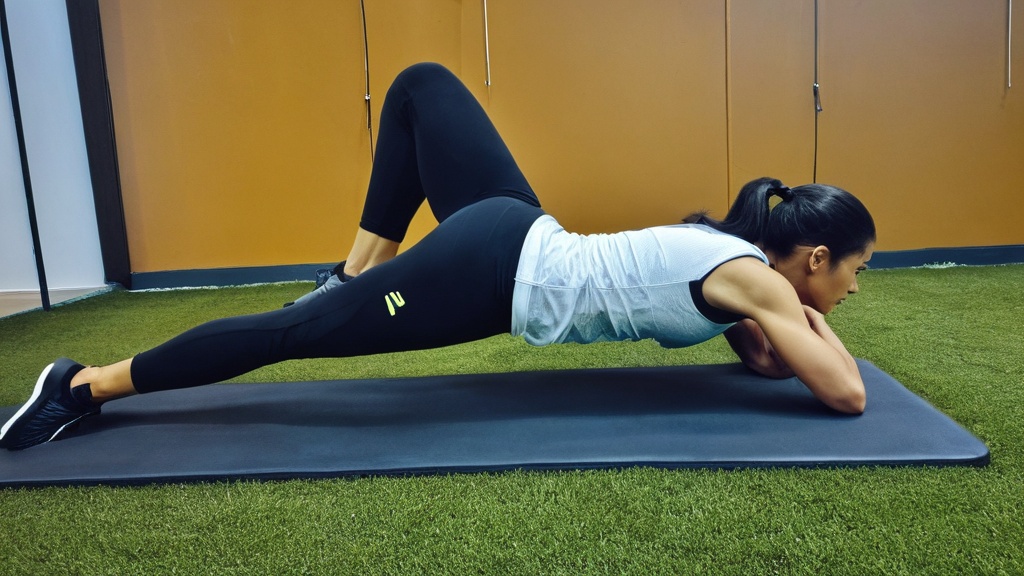
The leg cycle is the core of running. Every step either propels you or slows you. Efficient leg mechanics are crucial for speed. Proper foot strike is equally important.
High Knee Drive
Drive your knees high forward. This positions your leg for a powerful push-off. High knees contribute to stride length. It also increases the force you can apply.
Imagine pulling your knee towards your chest. This motion creates momentum. It also allows for a strong downward strike.
Ground Contact Time
Minimize ground contact time. Spend as little time as possible on the ground. Think of your foot as springing off the track. This reduces braking forces. It maximizes forward propulsion.
Focus on a quick, powerful push. Your foot should quickly leave the ground. This optimizes elastic energy return. (Source: Weyand, P. G., et al. (2000). Fastest runners use a shorter contact time and higher forces. Journal of Applied Physiology, 89(5), 1999-2009.)
Midfoot Strike
Land on the balls of your feet. This is a midfoot strike. It allows for quick force absorption and redirection. Avoid landing on your heels. Heel striking acts as a brake. It slows you down.
Practice landing softly and quickly. Your foot should roll off the ground. Engage your calf muscles. They help with propulsion.
Actionable Tip: Incorporate drills like high knees and butt kicks. These drills improve leg cycle efficiency. They also enhance quick ground contact.
Core Engagement and Posture: The Foundation of Power

A strong core is essential for sprinting. It provides stability and transfers power. Proper posture aligns your body. This optimizes force transmission.
Core Stability
Engage your abdominal muscles. Brace your core throughout the sprint. This prevents excessive body rotation. It keeps your hips stable. A stable core allows for more powerful leg drives.
Think of your core as a rigid cylinder. This cylinder connects your upper and lower body. Every movement originates from or passes through it.
Upright Running Posture
Maintain a tall, upright posture. Your head should be aligned with your spine. Look straight ahead. Avoid slumping your shoulders. This opens your airways.
Lean slightly forward from your ankles. This natural forward lean aids propulsion. Avoid leaning from your waist. That breaks your kinetic chain. (Source: Graham-Smith, P. J., & Lees, A. (2005). The biomechanics of the sprint start. Sports Biomechanics, 4(2), 103-125.)
Hip Extension
Emphasize full hip extension. Push off the ground with your hips extended. This generates maximum power. It drives your body forward. Glute muscles are key here.
Visualize pushing the ground away from you. This motion fully engages your glutes. It maximizes your stride power.
Actionable Tip: Integrate core strengthening exercises. Planks, Russian twists, and leg raises are beneficial. Focus on maintaining a straight line from head to heels.
Relaxation and Rhythm: Effortless Speed
| Metrics |
Description |
| Stride Length |
The distance covered in one stride while sprinting. |
| Stride Frequency |
The number of strides taken in a given time period. |
| Ground Contact Time |
The time each foot spends on the ground during a stride. |
| Vertical Oscillation |
The amount of vertical movement while running, measured in centimeters. |
| Horizontal Oscillation |
The amount of side-to-side movement while running, measured in centimeters. |
Sprinting looks effortless in top athletes. This is due to relaxation. Tension wastes energy. It restricts movement. Developing a smooth rhythm is key.
Minimize Unnecessary Tension
Relax your jaw, shoulders, and hands. Clenched fists and tight shoulders waste energy. They also restrict arm swing. Excess tension can slow you down.
Breath calmly and deeply. Shallow breathing can increase tension. Focus on exhaling fully. This helps maintain relaxation.
Smooth and Rhythmic Movement
Find your natural rhythm. Your arm and leg movements should flow. They should be coordinated. This creates a powerful, efficient stride. Avoid jerky or forced movements.
Listen to your body. Is your movement smooth? Are you fighting yourself? Adjust your effort to maintain fluidity.
The “Controlled Fall”
Think of sprinting as a controlled fall. You are continually falling forward. Your legs catch you. This lean helps maintain momentum. It feels effortless when mastered.
Your effort should be powerful but not strained. Find the balance. This balance produces your fastest speed.
Actionable Tip: Practice mindful sprinting. Focus on relaxing specific body parts. Pay attention to your breathing pattern. Visualize smooth, powerful movements.
Transitioning From Acceleration to Top Speed: The Crucial Shift
The sprint is not just one continuous effort. It involves distinct phases. The transition from acceleration to top speed is vital. This phase requires subtle biomechanical changes.
Gradual Body Angle Rise
After your powerful block start, you accelerate. Your body angle is low. As you gain speed, gradually rise. Your body becomes more upright. This shift happens over the first 20-30 meters.
This upright posture optimizes balance. It also allows for efficient stride mechanics. A sudden change can disrupt your momentum.
Stride Length and Frequency Optimization
In the acceleration phase, stride length increases. As you reach top speed, stride frequency becomes dominant. You take more steps per second. This maintains high velocity.
Top sprinters optimize both. They balance length and frequency. This creates maximum speed output. (Source: Johnson, M. B., & Buckley, J. G. (2001). Muscle activation in leg extensors and flexors during sprint running. Journal of Sports Sciences, 19(3), 209-220.)
Maintaining Horizontal Velocity
Your goal is to maintain forward momentum. Avoid vertical oscillation. Jumping too high wastes energy. It reduces forward propulsion. Focus force application horizontally.
Imagine pushing the ground backward. This creates forward motion. Minimize any upward push.
Actionable Tip: Practice drills focusing on stride frequency. For example, short, quick strides over a marked distance. Focus on maintaining a constant velocity.
Deceleration: Finishing Strong
While sprint biomechanics often focus on acceleration, maintaining speed through the finish line is crucial. Many races are won or lost in the final meters. Proper form prevents a significant drop-off.
Maintaining Posture and Rhythm
Resist the urge to lean back. Keep your chest up and shoulders relaxed. Maintain your arm drive rhythm. This fights fatigue. It helps you hold your speed.
Many sprinters “sit back” at the end. This dramatically reduces velocity. Stay tall and powerful.
The “Lean Through” the Finish Line
Drive your chest through the finish. Often, the first part of your torso counts. A powerful lean can shave milliseconds. Practice this finish.
Do not break form prematurely. Sprint through the line. Imagine the finish line is meters beyond its actual position.
Controlled Breathing
Continue rhythmic breathing. Deeper breaths can help manage fatigue. Focus on exhaling fully. This oxygenates your muscles. It removes waste products.
Actionable Tip: Practice running “through” the finish. Place a marker a few meters past the line. Focus on consistent effort until the marker.
Common Mistakes to Avoid: Speed Bumps on Your Path
Understanding good technique is essential. Knowing what to avoid is equally important. These common mistakes hinder performance. They can also increase injury risk.
Overstriding
Reaching too far forward slows you down. Your heel lands and acts as a brake. Focus on landing midfoot, under your center of gravity.
Think of pulling the ground beneath you. Your foot should land close to your body. This allows for quick, powerful push-off.
Upper Body Tension
Clenched fists, tight shoulders, and a stiff jaw waste energy. They also restrict arm swing. This reduces power generation. Relax your upper body.
Imagine your upper body is floating. Your arms swing freely. This allows powerful leg movement.
Lack of Arm Drive
Weak or uncontrolled arm movements reduce speed. Your arms contribute significantly to propulsion. Drive them powerfully and purposefully.
Remember the 90-degree angle. Drive from shoulder to hip. Focus on a strong backward drive.
Excessive Vertical Oscillation
Bouncing too high wastes energy. It reduces horizontal propulsion. Minimize vertical movement. Aim for a powerful, forward drive.
Keep your head at a relatively consistent height. Focus on driving forward, not upward.
Looking Down
Looking at your feet shortens your stride. It also misaligns your head and spine. Keep your gaze forward. Focus 10-20 meters ahead.
This maintains good posture. It also ensures proper head-spine alignment.
Actionable Tip: Film yourself sprinting. Identify any of these common mistakes. Work on correcting one element at a time. This progressive approach is more effective.
Training and Progression: Building Your Sprint Machine
Mastering sprint mechanics requires consistent practice. Incorporate specific drills into your routine. Progressive overload is key.
Drills for Specific Mechanics
- A-Skips and B-Skips: Improve knee drive and coordination.
- Butt-Kicks: Enhance hamstring activation and quick heel recovery.
- Bounding: Develop explosive power and stride length.
- Arm Swings (stationary): Refine arm mechanics and rhythm.
Perform these drills regularly. Focus on perfect form over speed. Quality over quantity.
Strength Training for Sprinters
- Squats and Lunges: Build powerful leg and glute strength.
- Deadlifts: Develop posterior chain strength, crucial for propulsion.
- Calf Raises: Strengthen lower legs for powerful push-off.
- Core Work: Planks, twists, and leg raises for stability and power transfer.
Strength training supports your mechanics. It makes your movements more powerful. It also helps prevent injuries.
Periodization and Recovery
Structure your training. Include periods of high intensity. Also include periods of rest and recovery. This optimizes adaptation. It prevents overtraining.
Listen to your body. Adequate sleep and nutrition are vital. They allow your muscles to rebuild stronger. (Source: Bompa, T. O., & Haff, G. G. (2009). Periodization: Theory and methodology of training. Human Kinetics.)
Actionable Tip: Work with a coach or experienced trainer. They can provide personalized feedback. They can also design a safe and effective training program.
Conclusion: Unleash Your Inner Speedster
Mastering sprint biomechanics is a journey. It requires dedication and attention to detail. Focus on your start, arm drive, and leg cycle. Maintain a strong core and relaxed posture. Practice consistently. Understand that every element works together. By refining each component, you unlock your true speed potential. Get ready to leave your competition behind.
FAQs
What are sprint biomechanics?
Sprint biomechanics refers to the study of the mechanical aspects of sprinting, including the movements and forces involved in running at high speeds.
Why are sprint biomechanics important?
Understanding sprint biomechanics is important for improving performance, preventing injuries, and optimizing training for sprinters.
What are some key biomechanical factors in sprinting?
Key biomechanical factors in sprinting include stride length, stride frequency, ground contact time, and the angle of the body during different phases of the sprint.
How can sprint biomechanics be improved?
Sprint biomechanics can be improved through specific training drills, strength and conditioning exercises, and technical coaching to optimize running form and efficiency.
What role does biomechanics play in sprinting performance?
Biomechanics plays a crucial role in sprinting performance by influencing speed, power output, and energy efficiency during the sprinting motion.