Imagine a runner gliding effortlessly, a golfer swinging with power, or a basketball player leaping high. These athletes appear to defy gravity. Their bodies move with grace and immense strength. This isn’t just talent. It’s often the result of prioritizing mobility.
Mobility drills unlock your body’s potential. They allow for smoother, more powerful movements. Better mobility means you can perform at your peak. It also helps keep you playing your sport safely. Let’s explore how these simple movements can make a big difference.
Mobility refers to your joints’ ability to move freely. It involves both active and passive range of motion. Active range is what you can control. Passive range is what your joint can move through with external help.
Good mobility allows your body to get into optimal positions. This is key for efficient movement. It helps you absorb force and generate power. Think of a well-oiled machine. Each part moves just right.
The Mechanics of Movement
Your body relies on many joints working together. This coordinated effort is called kinetic chaining. If one joint is stiff, others compensate. This compensation can lead to stress and injury.
For instance, tight hips can strain your lower back. Stiff shoulders might affect your throwing motion. Addressing these areas improves the whole chain. It allows for better force transfer.
Why Mobility Matters for Athletes
Athletes need their bodies to move well. This means reaching full ranges of motion. It also means controlling those ranges. Mobility drills enhance both aspects.
They prepare muscles and joints for action. This reduces the risk of strains and tears. Better movement also means better performance. You can run faster and jump higher.
Key Areas for Athletic Enhancement
Focusing on certain body parts yields significant results. Three areas stand out for athletes. These are your hips, thoracic spine, and ankles. Improving these areas has broad benefits.
Improving hip mobility helps with running. It supports powerful leg drives. Better thoracic spine rotation aids throwing. It also improves posture during activity. Ankle mobility is crucial for balance. It helps with quick changes of direction.
Hip Mobility: The Foundation of Power
Your hips are central to most athletic movements. They connect your legs to your torso. Powerful hip extension drives running and jumping.
Tight hips limit your stride length. They can also lead to knee and back pain. Exercises that open the hips are vital. They allow for better force generation.
Dynamic Hip Openers
Dynamic hip openers prepare your hips for activity. They increase blood flow. They also lubricate the joint. Start with controlled movements. Move through a comfortable range.
Leg swings are a good example. Swing your leg forward and backward. Then, swing it side to side. Keep your core engaged. Aim for a smooth, controlled motion. Do about ten to twelve repetitions per leg.
Hip Flexor Stretches
Your hip flexors are at the front of your hip. They can get very tight from sitting. Tight hip flexors restrict hip extension. This impacts your running and jumping.
A common stretch is the kneeling hip flexor stretch. Kneel on one knee. Keep your torso upright. Gently push your hips forward. Feel a stretch in the front of your hip. Hold this for a short time.
Thoracic Spine Rotation: Connecting Your Power
The thoracic spine is your mid-back. It allows for twisting and rotation. This rotation is critical for many sports. Think of a baseball pitcher’s throw. Or a golfer’s swing.
Limited rotation here forces compensation. Your lower back or shoulders might overwork. This increases injury risk. Enhancing thoracic mobility is essential. It connects your upper and lower body power.
Thoracic Spine Rotations
These drills directly target your mid-back. They help you twist more freely. Lie on your side with knees bent. Keep your hips stacked.
Raise your top arm towards the ceiling. Then, rotate your torso. Try to bring your shoulder blade to the floor. Keep your bottom knee on the floor. Perform eight to ten repetitions on each side.
Shoulder Dislocates
This exercise improves shoulder and upper back mobility. It requires a band or PVC pipe. Hold the band with a wide grip. Keep your arms straight.
Bring the band up and over your head. Move it behind your back. Then, bring it back to the start. Adjust your grip width. You need to feel a stretch. Do not force the movement.
Ankle Mobility: The Base of Stability
Your ankles are your body’s first point of contact. They absorb shock. They also provide stability for balance. Poor ankle mobility has ripple effects.
Stiff ankles can lead to shin splints. They might even cause knee problems. Being able to dorsiflex your ankle is important. This means bringing your toes towards your shin.
Ankle Mobility Drills
Simple movements can greatly improve ankle range. Try ankle circles. Sit with your legs extended. Lift one foot off the ground. Rotate your ankle in circles.
Make the circles as large as you can. Do this in both directions clockwise and counterclockwise. Focus on smooth, controlled movements. Repeat ten to twelve times per ankle.
Foot Rolling with a Golf Ball
Your feet have many small joints. Releasing tension here helps the ankle. Place a golf ball on the floor. Sit comfortably.
Place your foot on the ball. Gently roll your foot over the ball. Apply pressure to tender spots. Move up and down the arch. Spend a minute or two on each foot. This can feel quite relieving.
Integrating Mobility into Your Training
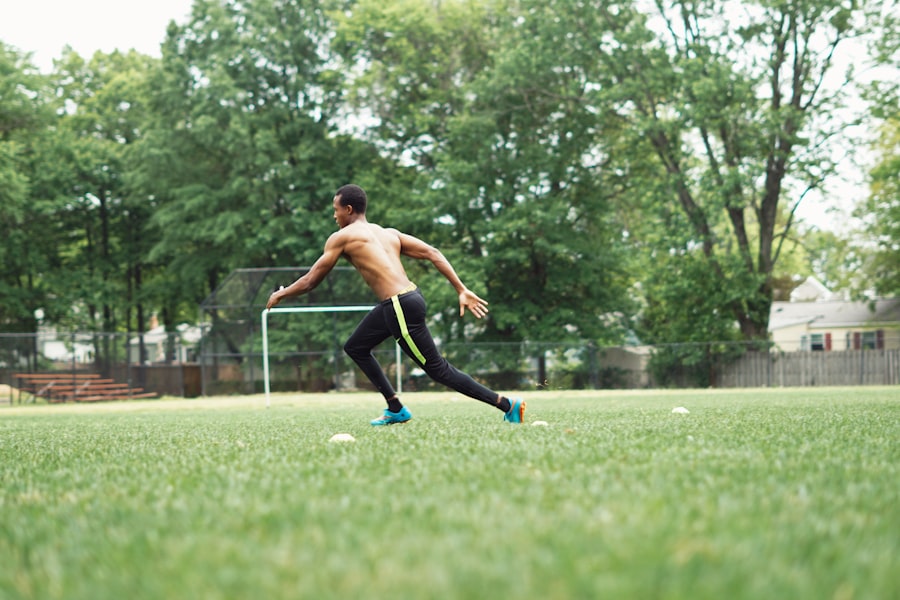
Mobility work is not an add-on. It should be part of your routine. It enhances your warm-up. It aids your recovery. Consistency is key to seeing results.
Dedicate specific time to mobility. It doesn’t require hours. Short, focused sessions are effective. Aim for progress, not perfection.
Pre-Workout Dynamic Stretching
Dynamic stretches prepare your body for exercise. They are active movements. They raise your heart rate. They also activate your muscles.
Perform these after a light warm-up. Examples include leg swings and torso twists. These get your joints ready. They prime your muscles for work.
Post-Workout Static Stretching
Static stretches involve holding a position. They are best done when your muscles are warm. This is typically after a workout. They help improve flexibility over time.
Hold each stretch for 20-30 seconds. Breathe deeply. Focus on relaxing into the stretch. Avoid bouncing. This helps muscles lengthen.
Foam Rolling for Tissue Health
Foam rolling, or self-myofascial release, is beneficial. It helps release muscle tightness. It can improve blood flow. It also aids in recovery.
Use a foam roller on major muscle groups. Roll slowly over the muscle. Pause on tender spots. Breathe deeply. Aim for two to three minutes per muscle group.
Sample Mobility Session Structure
A balanced mobility routine can be simple. Start with a few minutes of light cardio. Then, perform dynamic drills for ten minutes. Focus on hips, thoracic spine, and ankles. After your main workout, choose a few static stretches. Hold them for thirty seconds each. You can add foam rolling before or after stretching.
Benefits Beyond Performance
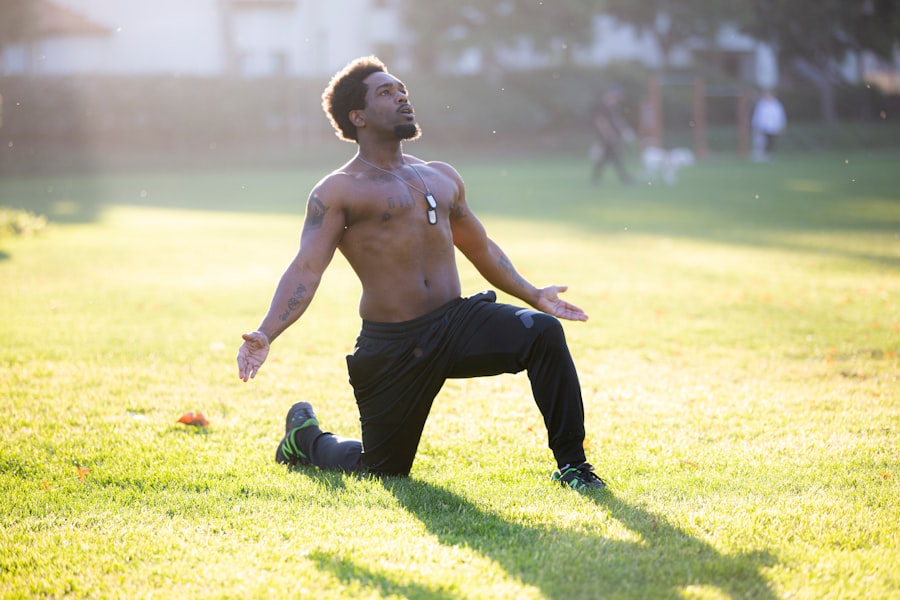
Mobility isn’t just for athletes wanting to win. It contributes to overall well-being. It improves daily life. Reduced pain is a significant benefit.
When your body moves well, you feel better. Everyday tasks become easier. You can bend, reach, and twist without discomfort. This is a win for everyone.
Injury Prevention: Staying in the Game
One of the biggest advantages of good mobility is injury prevention. Many common sports injuries stem from poor movement patterns. Stiff joints often lead to muscle strains.
When your body can move through its full range, it’s more resilient. Force is distributed more evenly. This reduces the stress on individual tissues. Think of a tree bending in the wind. It’s less likely to break.
Improved Movement Efficiency and Energy
Efficient movement conserves energy. When your body moves smoothly, it wastes less effort. This means you can perform for longer. You can also generate more power.
Consider a more fluid running stride. It requires less energy expenditure. Your muscles don’t have to overcompensate. This allows for better performance.
Enhanced Explosive Power
Mobility directly impacts how much force you can produce. Unlocking full joint range allows for greater acceleration. It helps you generate explosive movements.
For example, a deeper squat allows for a more powerful push off the ground. Better hip and ankle mobility contribute to faster sprint times. It enables you to transfer energy effectively.
Faster Recovery and Reduced Soreness
Mobility drills can aid your recovery. Gentle movements after exercise help clear metabolic waste. They can reduce muscle soreness.
Post-workout mobility helps restore your body. It prepares you for your next training session. This means less downtime. You can get back to performing sooner.
Professional Guidance for Your Mobility Journey
| Drill Name |
Description |
Benefits |
| High Knees |
Running in place while lifting knees as high as possible |
Improves hip flexibility and strengthens lower body muscles |
| Lateral Lunges |
Stepping to the side and lowering into a lunge position |
Increases hip mobility and improves lateral movement |
| Ankle Circles |
Rotating the ankle in circular motion |
Enhances ankle flexibility and reduces risk of injury |
| Leg Swings |
Swinging the leg forward and backward or side to side |
Improves hip mobility and dynamic flexibility |
While many mobility drills are safe for self-practice, individual needs vary. A physical therapist or a certified performance coach can help. They can assess your specific limitations. They can then create a tailored plan.
This personalized approach ensures you target the right areas. It helps you avoid ineffective exercises. It also makes sure you perform drills correctly. This maximizes benefits and minimizes risks.
Consulting a Physical Therapist
Physical therapists are experts in the human body. They can identify muscular imbalances. They can detect joint restrictions. They help correct underlying issues.
They may use manual therapies. They also prescribe specific exercises. Working with a PT can be invaluable. It helps address your unique needs.
Working with a Performance Coach
Performance coaches focus on athletic development. They understand the demands of different sports. They can integrate mobility with your sport-specific training.
A good coach will explain the ‘why’ behind exercises. They ensure proper technique. They help you build a sustainable routine. Their guidance can elevate your game.
In conclusion, prioritizing mobility is a smart strategy. It enhances your athletic capabilities. It also safeguards your body. Start incorporating these simple yet powerful movements. You might be surprised at the difference they make. Your body will thank you for it.
FAQs
What are mobility drills in athletics?
Mobility drills in athletics are exercises and movements designed to improve the range of motion, flexibility, and stability of the joints and muscles. These drills are often used as part of warm-up routines to prepare the body for physical activity and to prevent injuries.
What are the benefits of incorporating mobility drills into an athletic training program?
Incorporating mobility drills into an athletic training program can help improve overall athletic performance by enhancing flexibility, joint stability, and movement efficiency. These drills can also help reduce the risk of injuries by preparing the body for the demands of physical activity.
What are some common mobility drills used in athletics?
Common mobility drills used in athletics include dynamic stretching exercises, foam rolling, resistance band exercises, and yoga-inspired movements. These drills often target specific areas of the body, such as the hips, shoulders, and spine, to improve overall mobility and flexibility.
How often should athletes perform mobility drills?
Athletes should aim to incorporate mobility drills into their training routine on a regular basis, ideally before each training session or competition. Consistent practice of mobility drills can help maintain and improve overall flexibility and joint mobility over time.
Are mobility drills suitable for athletes of all levels and ages?
Yes, mobility drills can be beneficial for athletes of all levels and ages. Whether you are a professional athlete or a recreational sports enthusiast, incorporating mobility drills into your training routine can help improve overall performance and reduce the risk of injuries. It is important to modify the intensity and complexity of the drills based on individual fitness levels and any existing physical limitations.