The starting gun looms closer. Your heart beats with anticipation, a mix of excitement and nerves. Being truly race day ready involves more than just physical training. It is about smart preparation, ensuring your body and mind are primed for your best performance.
Proper gear selection and organization are fundamental. The right items provide comfort and prevent issues during your race. Planning here saves valuable time and reduces stress.
Lay Out Everything
Prepare your race day ensemble the night before. This includes your running shoes and socks. Check them for comfort and good condition.
Your race clothes should also be ready. Pin your race bib onto your shirt. This avoids last-minute fumbling. Gather your watch, headphones, and any pre-race nutrition. This could be gels or energy bars.
Hydration is crucial. Have your water bottle or hydration pack ready. Pack body glide and sunscreen. Also, remember anti-chafe cream. This prevents painful rubbing during the race. [1, 3, 5, 7]
Test Your Equipment
Wear new gear on training runs, not on race day. This includes shoes, socks, and clothing. Untested items can cause blisters or discomfort. You want to focus on running, not on adjusting your attire. [2, 3, 5]
Fueling and Hydration Strategies
What you eat and drink before a race significantly impacts your energy. Consistent fueling and hydration are key. Avoid last-minute changes to your diet.
Pre-Race Meal Planning
Aim for a good night’s sleep. Set two alarms to ensure you wake on time. Prepare a familiar, carbohydrate-rich breakfast. Examples include rice, pasta, or an energy bar.
Eat this meal slowly 45-60 minutes before the race starts. This allows for proper digestion. Avoid foods high in fat or fiber. They can cause stomach upset. [1, 3, 4]
Steady Hydration
Focus on simple carbohydrates the night before your race. Examples include white bread or plain pasta. Sip 2-3 liters of water with electrolytes. Avoid gulping large amounts.
Stay away from alcohol the day before. It dehydrates your body. Replicate successful hydration routines from your training. This maintains consistency. [3, 4, 6]
Pre-Race Physical Prep
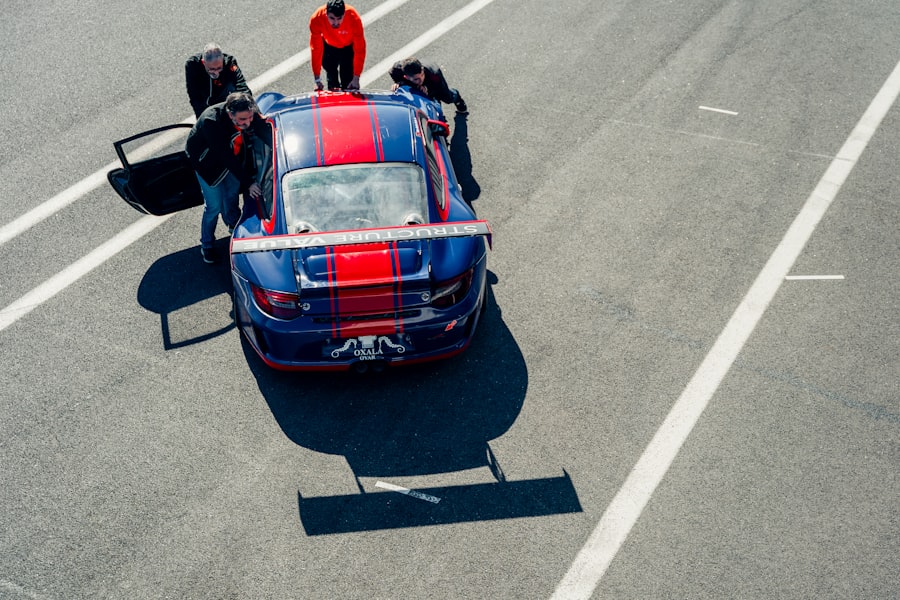
Your final physical preparation is low-key. It aims to keep your muscles fresh. Avoid anything strenuous or new.
The Shakeout Run
Consider a short shakeout run 24 hours before your race. This is a 20-minute easy run. You can add some strides. This helps keep your legs feeling fresh.
This tip particularly benefits experienced runners. It can help reduce stiffness. However, do not overdo it. [4]
Rest is Best
Prioritize rest in the days leading up to the race. Avoid heavy lifting or intense activities. Your body repairs and strengthens during rest. This prepares you for the race demands.
Listen to your body. If you feel tired, rest more. Pushing harder now can lead to fatigue later.
Race Day Logistics
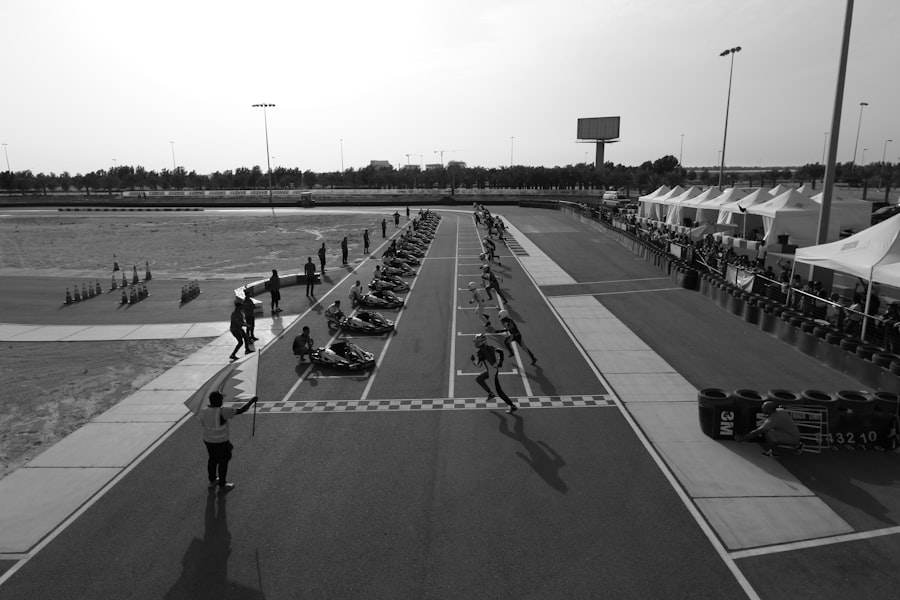
Smooth logistics reduce stress and anxiety. Know your plan for arriving and navigating the race site. Small details matter a lot.
Arrive Early
Plan to arrive 30-60 minutes before your corral time. If bib pickup is on race day, arrive an hour early. This gives you ample time for parking.
Find the restrooms without rushing. Complete any pre-race warm-up exercises. Early arrival prevents unnecessary panic. [3, 5]
Know Your Route
Review the race route days in advance. Understand aid station locations. Note any challenging sections. This knowledge helps you pace yourself.
Also, know your assigned corral. This ensures a smooth start. Familiarity reduces race day surprises. [2, 3, 5]
Weather Preparedness
Check the weather forecast. Dress appropriately for the conditions. Consider bringing throwaway layers if it is cold. You can shed these as you warm up. This keeps you comfortable at the start. [2, 3, 6]
Mental Fortitude
| Aspect |
Metric |
| Training |
Number of training sessions per week |
| Nutrition |
Calories consumed per day |
| Hydration |
Fluid intake in liters per day |
| Rest |
Hours of sleep per night |
| Mental Preparation |
Minutes of meditation or visualization per day |
Mental preparation is as important as physical training. A positive mindset can boost your performance. Visualizing success helps calm nerves.
Positive Affirmations
Use positive affirmations. Tell yourself you are strong and capable. Focus on your training. Remind yourself of your progress. This builds confidence. [4, 5, 6]
Avoid New Things
Stick to what you know. Avoid new foods, drinks, or gear. This minimizes unknown variables. Consistency reduces unexpected issues.
Trust your training plan. You have prepared for this moment. Rely on your established routines. [4, 5, 6]
Reflect on Training
Keep a training diary. Review your successful training patterns. This reinforces your capabilities. It reminds you of your hard work. This can be a powerful mental boost. [4, 5, 6]
Avoiding Common Pitfalls
Many race day mistakes are avoidable. Awareness and proactive steps prevent these issues. Learning from others’ experiences helps you avoid similar problems.
Overthinking
Resist the urge to overthink. Trust your training and preparation. Focus on enjoying the experience. Excessive worry drains energy.
Stay present in the moment. Enjoy each step of your race. Your hard work will pay off.
Starting Too Fast
Manage your pace at the start. Adrenaline can make you race ahead. Stick to your planned pace. You have trained for a specific speed.
Conserving energy early helps you finish strong. A consistent pace yields better results. Trust your race strategy.
Neglecting Post-Race Recovery
Your race does not end at the finish line. Begin recovery immediately. Hydrate and refuel with carbohydrates and protein. This aids muscle repair.
Gentle stretching can help. Plan for rest in the following days. Proper recovery is vital for your next training cycle.
Final Race Day Checklist
A comprehensive checklist ensures nothing is forgotten. Going through it systematically reduces stress.
Before Bed the Night Before
- Race bib pinned to shirt.
- Running shoes and socks.
- Race day clothes.
- Watch and headphones.
- Nutrition (gels, bars).
- Hydration bottle.
- Body glide/anti-chafe cream.
- Sunscreen.
- Familiar breakfast ingredients ready.
- Multiple alarms set.
Race Morning
- Eat familiar breakfast slowly.
- Sip water with electrolytes.
- Apply anti-chafe cream and sunscreen.
- Dress for weather, layers if needed.
- Check one last time for all essentials.
- Head to start with ample time.
During the Race
- Stick to your planned pace.
- Hydrate at aid stations.
- Take nutrition as practiced.
- Stay positive and focused.
- Listen to your body.
Post-Race
- Hydrate and refuel.
- Light stretching.
- Celebrate your accomplishment.
- Plan for rest and recovery.
By following these evidence-based principles, you set yourself up for a successful and enjoyable race day. Your dedication to preparation will pay off when you cross that finish line.
FAQs
What is race day preparation?
Race day preparation refers to the specific actions and strategies that athletes undertake in order to physically and mentally prepare themselves for a race or competition.
What are some common race day preparation strategies?
Common race day preparation strategies include proper hydration, adequate rest, a balanced meal plan, warm-up exercises, mental visualization, and familiarizing oneself with the race course.
How important is race day preparation for athletes?
Race day preparation is crucial for athletes as it can significantly impact their performance. Proper preparation can help athletes optimize their physical and mental state, leading to better results on race day.
What are some tips for effective race day preparation?
Some tips for effective race day preparation include setting realistic goals, creating a race day checklist, arriving early to the race venue, staying relaxed, and focusing on positive self-talk.
Are there any specific considerations for race day preparation in different sports?
Yes, different sports may require specific race day preparation considerations. For example, endurance athletes may focus on carb-loading and pacing strategies, while sprinters may prioritize explosive warm-up routines and mental focus techniques.