Your running shoes are your most vital equipment. They power you through every stride. Choosing the right pair can boost your performance. It can also prevent injuries. Let’s explore the world of track shoes.
Track shoes are specialized footwear. They differ significantly from regular running shoes. Their design focuses on grip and propulsion. This helps sprinters and distance runners alike.
The Outsole: Your Connection to the Track
The outsole is the bottom layer. It makes contact with the track surface. It provides grip and traction. Different events need different outsole patterns.
Spike Plate
The spike plate is a rigid platform. It holds the spikes. It is on the forefoot of the shoe. This plate varies in stiffness. Sprinters need a very stiff plate. It provides maximum energy return. Distance runners prefer a more flexible plate. This allows for natural foot flex. (Reference: Frederick, E. C. (1984). The running shoe. Scientific American, 251(4), 126–134.)
Spike Configuration
Spike configuration refers to spike number and placement. Sprint shoes often have 6-8 spikes. They are concentrated at the toes. This boosts explosive starts. Distance shoes may have 4-6 spikes. They are more evenly distributed. This offers balanced traction.
The Midsole: Cushioning and Support
The midsole is between the outsole and upper. It provides cushioning. It also offers some shock absorption. Its characteristics vary greatly by event.
Foam Type
Track shoes use lightweight foams. EVA (ethylene-vinyl acetate) is common. It offers good cushioning. Pebax foam is also popular. It is very light and responsive. (Reference: Hunter, I., et al. (2012). The effects of midsole density and thickness on impact forces and lower extremity kinematics during running. Journal of Applied Biomechanics, 28(2), 173–182.)
Stack Height
Stack height is the midsole thickness. Sprint shoes have a very low stack height. This maximizes ground feel. It also promotes powerful toe-offs. Distance spikes have more cushioning. This protects feet during longer races.
The Upper: Holding Your Foot Securely
The upper material wraps around your foot. It secures it to the sole. A good upper prevents slippage. It also minimizes irritation.
Material Composition
Uppers are usually made from lightweight mesh. Some use thin synthetic overlays. These materials are breathable. They also offer a snug fit. Some high-performance shoes use woven uppers. These provide excellent lockdown.
Heel Counter
The heel counter is a stiff structure. It reinforces the heel cup. It helps hold your heel in place. This prevents unwanted movement. It adds stability during high-speed running.
Choosing the Right Spikes for Your Event
Different track events demand different shoe features. A sprinter’s shoe differs from a distance runner’s. Understanding these differences is key.
Sprint Spikes: Explosive Power
Sprint spikes are for short, fast races. They are designed for maximum forward propulsion. Think 100m, 200m, and 400m. Even hurdles need sprint spikes.
Stiff Spike Plate
Sprint plates are very rigid. They provide a lever effect. This pushes you forward. Imagine a diving board. A stiff board gives a powerful push. (Reference: Stefanyshyn, D. J., & Fu, W. (2013). The influence of running shoe technology on running performance. Journal of Applied Biomechanics, 29(2), 162-171.)
Aggressive Spike Placement
Spikes are typically under the toes. This provides optimal grip. It helps during the drive phase. You literally dig into the track.
Minimal Cushioning
Sprint spikes have very little cushioning. You want to feel the track. This helps with ground reaction forces. It’s like driving a sports car. You feel every bump.
Example Scenario
Consider a 100m sprinter. They need immediate acceleration. A stiff, aggressive spike helps them explode out of the blocks. It gives powerful toe-offs.
Distance Spikes: Comfort and Efficiency
Distance spikes suit longer races. These include 800m up to 10,000m. They prioritize efficiency and comfort. They also offer some cushioning.
Flexible Spike Plate
Distance spike plates are more flexible. They allow for natural foot flexion. This reduces fatigue over many laps. Imagine walking in stiff boots versus flexible sneakers.
Balanced Spike Configuration
Spikes are often spread out. They provide consistent traction. This is important during turns. It also helps on changing track surfaces.
Moderate Cushioning
Distance spikes offer more cushioning. This protects your feet. It reduces impact forces. This is crucial for races lasting minutes. (Reference: Nigg, B. M. (1986). Biomechanics of running shoes. International Journal of Sports Biomechanics, 2(1), 1-18.)
Example Scenario
An 800m runner needs both speed and endurance. They need some cushioning for the last lap push. A balanced spike plate provides both.
Middle-Distance Spikes: The Best of Both Worlds
Middle-distance spikes are versatile. They bridge the gap between sprints and distance. Events like 800m and 1500m use them.
Moderate Plate Stiffness
These plates offer a balance. They are stiffer than distance spikes. But they are more flexible than sprint spikes. This provides responsiveness and comfort.
Hybrid Spike Configuration
They often have 6-7 spikes. They are positioned for both grip and efficiency. This supports varied race paces.
Light to Moderate Cushioning
They provide enough cushioning. This protects for longer surges. But it doesn’t add too much weight.
Example Scenario
A 1500m runner needs a burst of speed. They also need to maintain pace. A middle-distance spike supports both demands.
Jump Spikes: Specialized Support
Jump spikes are unique. They are for long jump, triple jump, and high jump. They offer specific features for takeoff and landing.
Forefoot and Heel Spikes
Some jump spikes have heel spikes. These help with stability. They aid in landing. The forefoot spikes provide powerful takeoff.
Rigid Plate and Strap
Jump spikes have very stiff plates. A strap across the midfoot is common. It locks your foot down. This ensures maximum power transfer.
Throwing Shoes: Stability and Rotation
Throwing shoes are distinct. They are for shot put, discus, and hammer throw. They are not spike shoes. They focus on stability and rotation.
Flat, Smooth Outsole
Throwing shoes have a flat, smooth outsole. This allows for easy pivoting. It reduces friction during rotation. Rubber helps with grip.
Midfoot Strap
Many throwing shoes have a strap. It secures the foot firmly. This prevents excess movement. It enhances power transfer.
Example Scenario
A shot putter needs to rotate forcefully. A smooth outsole allows them to spin. This builds momentum for the throw.
Finding Your Perfect Fit
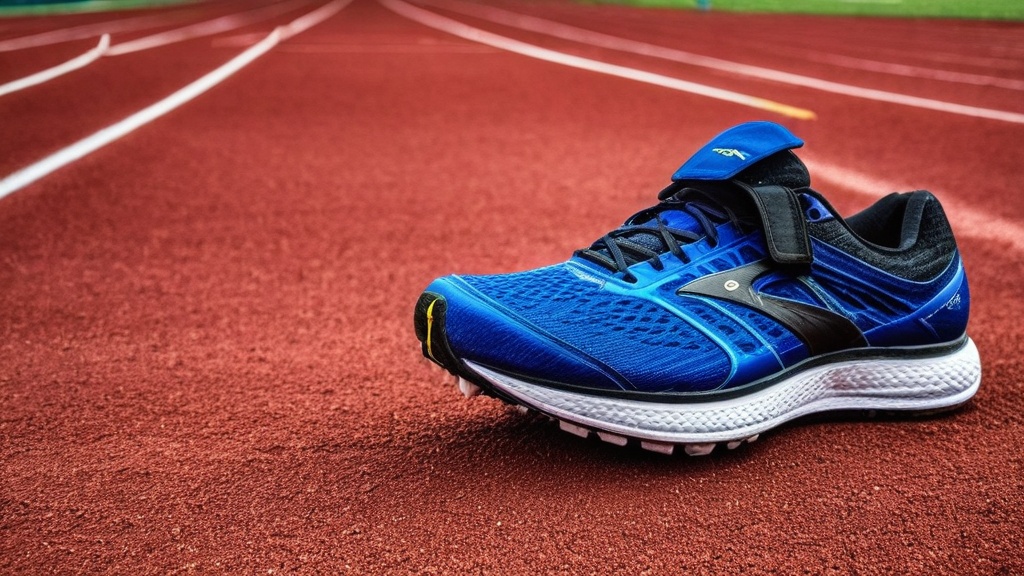
The right fit is paramount. Ill-fitting shoes lead to discomfort. They can also cause injuries.
Sizing and Width
Always try on track shoes. Sizes vary between brands. Your spike size might differ from your street shoe size. Leave a thumb’s width of space. This is between your longest toe and the shoe tip. (Reference: American Academy of Orthopaedic Surgeons. (2020). Selecting the right running shoe.)
Tight, But Not Uncomfortable
Track shoes should fit snugly. Your foot should not slide inside. But it should not feel crushed.
Consider Socks
Wear your preferred running socks. Try shoes on with these socks. This ensures a realistic fit.
Trying Them On
Walk and jog in the shoes. Feel for any pressure points. Check for heel slippage. Do not buy shoes without trying them first.
Store Visit
Visit a specialized running store. Staff can offer expert advice. They can help with sizing. They understand track shoe nuances.
Try on Both Shoes
Always try on both shoes. Your feet may be slightly different sizes. Ensure both feet feel comfortable.
Maintenance and Care for Longevity
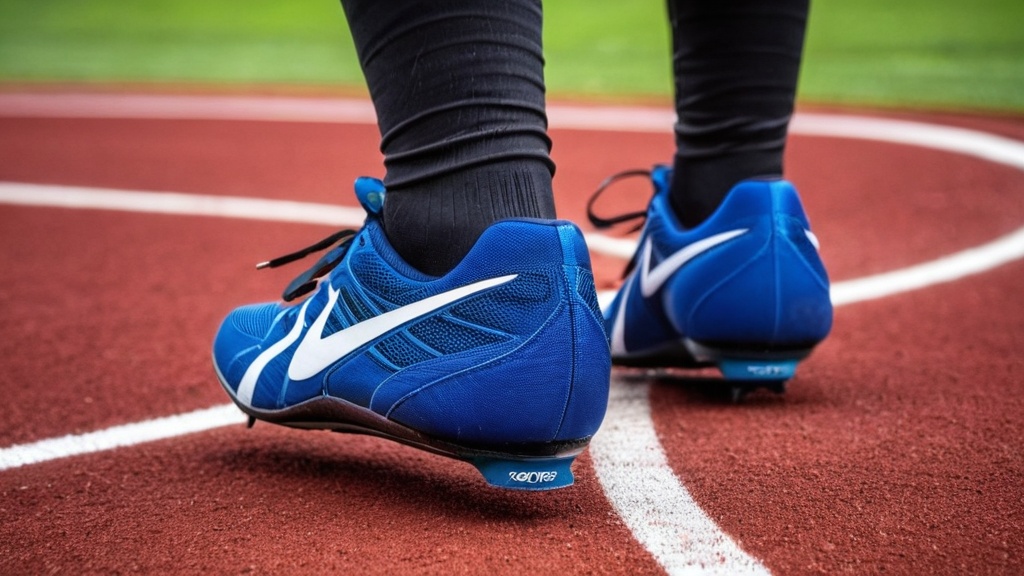
Proper care extends shoe life. It also maintains performance. A clean shoe is a happy shoe.
Cleaning Your Spikes
Remove dirt after each use. A soft brush works well. Clean the spike plate and spikes.
Hand Wash
Hand wash with mild soap and water. Avoid harsh chemicals. Air dry thoroughly. Do not use a machine dryer.
Replacing Spikes
Spikes wear down. Dull spikes lose grip. Replace them when they show wear. Keep a spike wrench handy.
Spike Length
Different events and tracks need different spike lengths. Most tracks allow 1/4 inch spikes. Check event rules. (Reference: World Athletics. (2024). Technical and Competition Rules.)
Storage
Store shoes in a cool, dry place. Avoid direct sunlight. This prevents material degradation. Keep them away from extreme heat.
Actionable Tips for Track Athletes
| Brand |
Model |
Weight |
Surface |
Price |
| Nike |
Zoom Rival S 9 |
6.5 oz |
Track |
65 |
| Adidas |
Adizero Finesse |
5.6 oz |
Track |
90 |
| New Balance |
SD100v3 |
6.5 oz |
Track |
70 |
Making informed choices enhances your performance. These tips will guide you.
Understand Your Event
Identify your primary track event. This determines the shoe type. A sprinter needs different shoes than a distance runner.
Prioritize Fit
A good fit is more important than brand. Comfortable shoes prevent blisters. They also reduce injury risk.
Test Before You Race
Always break in new shoes. Do not wear brand new spikes for a race. Wear them for a few training sessions first. This prevents race day surprises.
Carry a Spike Wrench and Extra Spikes
Spikes can loosen or break. A wrench allows quick adjustments. Extra spikes ensure you’re always ready.
Consult Your Coach
Your coach has valuable experience. They can offer specific recommendations. They know your running style.
Don’t Rely on Looks Alone
Performance is key, not aesthetics. Choose shoes that perform best for you. Looks are secondary.
Have a Backup Pair
If possible, have two pairs. One for training, one for racing. This extends shoe life. It also means you have a spare.
Choosing the right track shoes significantly impacts your running. It can boost speed and prevent injuries. With this guide, you are ready to make a confident choice. Hit the track with confidence.
FAQs
1. What are track shoes?
Track shoes are specialized athletic shoes designed for use in track and field events. They are designed to provide traction, support, and stability for athletes competing in running, jumping, and throwing events.
2. What are the different types of track shoes?
There are several different types of track shoes, including sprint spikes, distance spikes, jumping spikes, and throwing shoes. Each type is designed to meet the specific needs of athletes competing in different track and field events.
3. How do I choose the right track shoes for me?
When choosing track shoes, it’s important to consider the specific events you will be competing in, as well as your individual running style and foot shape. It’s also important to consider factors such as traction, support, and comfort.
4. How often should I replace my track shoes?
Track shoes should be replaced regularly, as the cushioning and support materials can break down over time with use. As a general rule, track shoes should be replaced every 300-500 miles of use, or at least once a year for regular track and field athletes.
5. Can I use track shoes for other sports or activities?
While track shoes are designed specifically for track and field events, some athletes may find them suitable for other activities such as cross-training or short-distance running. However, it’s important to consider the specific needs of the activity and whether track shoes provide the necessary support and traction.