Imagine the blur of a baton pass. It’s a dance of speed and precision. Perfecting this moment wins races. Relays demand more than just fast runners. They require seamless teamwork. Let’s explore drills to sharpen those skills.
A strong start is crucial for any sprint. It sets the tone for the entire race. Even in relays, the initial burst matters. Quick acceleration translates to faster exchanges. Our drills focus on generating maximum power from the blocks.
Block Starts: Mastering the Push
Get comfortable in the starting blocks. Your body should feel poised. On the “go” command, push powerfully. Drive your arms forward. Your legs extend explosively. Think about pushing the ground away. This creates forward momentum.
Wall Sits and Jumps: Strength for Speed
Strong legs are essential for sprinting. Wall sits build endurance. Hold the position for 30 seconds. Repeat this several times. Explosive jumps add power. Jump as high as you can. Land softly and absorb impact. This builds resilient leg muscles.
Plyometrics: The Powerhouse of Jumping Drills
Plyometric exercises enhance your leaping ability. They train your muscles to contract sharply. Box jumps are a great example. Leap onto a sturdy box. Focus on quick, powerful takeoffs. Perform a few repetitions. Rest and repeat. This improves your reactive strength.
Baton Exchange Dynamics: The Art of the Pass
The baton pass is the heart of a relay. It’s where seconds can be gained or lost. Smoothness and timing are paramount. We practice specific techniques for efficiency. These drills create automaticity in the exchange zone.
The Visual Exchange: Calling for the Baton
Runners entering the exchange zone must communicate. A clear call is vital. The receiver should hear “stick!” or “now!” The runner with the baton extends it. The receiver reaches back. This visual cue ensures synchronicity. Practice this call repeatedly.
The Blind Exchange: Trust and Timing
This drill tests trust and timing. The receiver runs without looking back. The baton holder extends it at the right moment. This requires immense confidence. It builds the feel for the perfect pass. Practice from a standstill first. Then add movement.
Stick Drills: Precision Handling
This drill focuses solely on the baton itself. Hold the baton firmly. Practice passing it between hands. Focus on a stable grip. Your hand placement should be consistent. This builds muscle memory for baton control. Develop a natural feel for the baton.
Relay Strides: Maintaining Speed Through the Zone
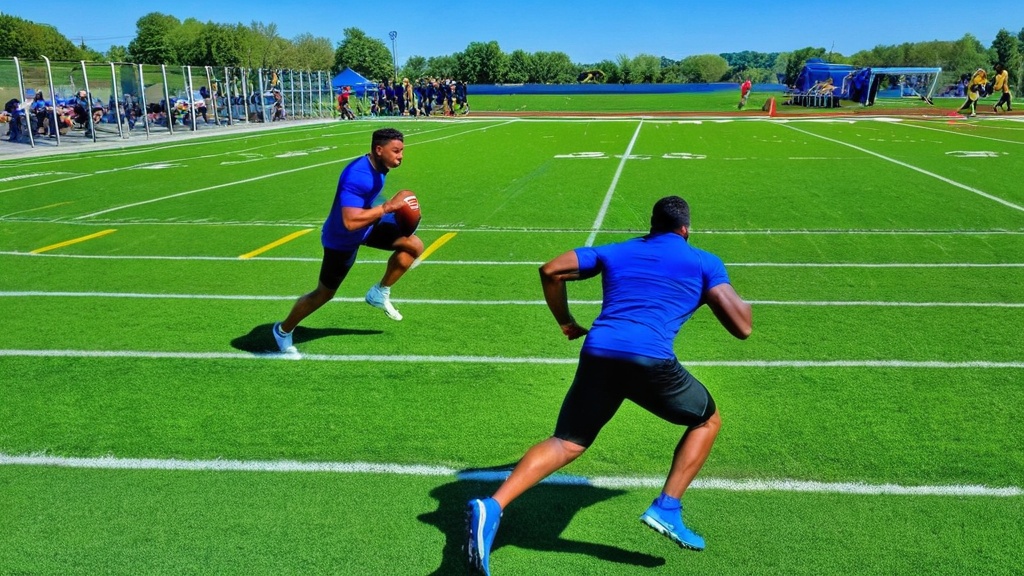
Running within the exchange zone is unique. You must maintain top speed. You also need to prepare for the pass. We work on controlled acceleration and deceleration. This keeps momentum high without faltering.
Controlled Acceleration: Entering the Zone
You enter the zone at pace. Your goal is to maintain speed. Avoid slowing down abruptly. Gradually increase effort within the zone. This ensures you meet your teammate at speed. Think of it as a controlled surge.
Deceleration and Timing: The Perfect Meet-Point
The runner holding the baton chooses the acceleration point. They aim to meet the receiver at their fastest point. The receiver runs at their top speed into the zone. The exchange happens at the designated mark. This maximizes overall time.
Partner Drills: Simulating Race Conditions
Run side-by-side with a teammate. Practice entering and exiting the zone. Focus on smooth baton transfers. One runner holds the baton. The other receives it. Alternate roles often. This builds teamwork and rhythm.
Coordination and Rhythm: The Unseen Force
Coordination is how your body parts work together. Rhythm is the consistent pace. In relays, these are essential. They allow for efficient movement. They create a seamless flow. Our drills enhance this synergy.
Mirror Drills: Synchronizing Movements
Stand facing a partner. Mirror their arm and leg movements. Focus on precise imitation. This develops a sense of body awareness. It improves your ability to match a teammate’s rhythm. Do this at a slow pace. Increase speed gradually.
Cone Drills with Rhythm: Stepping in Time
Set up cones in a line. Run through them, focusing on your stride pattern. A consistent rhythm is key. Imagine a metronome. Your steps should fall with its beat. This engrains efficient foot placement. Practice with music for rhythm.
Ball Toss and Catch: Hand-Eye Coordination
This drill improves hand-eye coordination. Stand with a partner. Toss a tennis ball back and forth. Focus on accurate catches and throws. This translates to stable baton handling. It also sharpens reaction times. Make your throws precise.
Race Simulation Drills: Putting It All Together
| Drill |
Distance |
Time |
| 4x100m Relay |
400 meters |
40-45 seconds |
| 4x200m Relay |
800 meters |
1 minute 20 seconds |
| 4x400m Relay |
1600 meters |
3 minutes 20 seconds |
This is where everything converges. We practice full relay sequences. These drills mimic race pressure. They build confidence and race-readiness. They identify areas needing further refinement. This ensures you are prepared.
Full Relay Rehearsals: The Complete Package
Run a full relay leg. Practice your start, exchange, and finish. Work with your entire team. Focus on clear communication. Execute each phase perfectly. Identify any hiccups. Discuss and adjust as a group.
Time Trial Relays: Measuring Progress
Time yourselves on full relay runs. Track your improvements over sessions. This shows what works. It highlights where speed can be gained. Use these times to set team goals. Push yourselves to be faster.
Video Analysis: Seeing What You Miss
Record your relay practices. Watch the footage with your team. Analyze the baton exchanges closely. Look at your stride patterns. Identify any inefficiencies. This objective view offers valuable insights. It’s like having a coach.
Effective relay sprinting relies on more than individual speed. It’s a symphony of synchronized effort. These drills build that essential connection. They transform a group of fast runners into a winning team. Practice consistently. Communicate openly. Run with confidence.
FAQs
What are relay sprint drills?
Relay sprint drills are specific training exercises designed to improve the speed, coordination, and teamwork of relay sprinters. These drills focus on passing the baton smoothly, accelerating out of the exchange zone, and maintaining speed around the track.
Why are relay sprint drills important?
Relay sprint drills are important because they help relay teams develop the necessary skills and coordination required to execute successful baton exchanges and maintain speed throughout the race. These drills also help improve overall sprinting technique and teamwork.
What are some common relay sprint drills?
Common relay sprint drills include the 4x100m relay exchange practice, where athletes practice passing the baton at full speed; the 4x200m relay acceleration drills, which focus on accelerating out of the exchange zone; and the 4x400m relay speed endurance drills, which help athletes maintain speed over longer distances.
How often should relay sprint drills be incorporated into training?
Relay sprint drills should be incorporated into training regularly, at least a few times a week, to ensure that athletes are consistently improving their relay skills and maintaining their speed and coordination. The frequency of these drills may vary depending on the specific training program and competition schedule.
What are the benefits of incorporating relay sprint drills into training?
Incorporating relay sprint drills into training can help improve athletes’ speed, coordination, and teamwork, leading to more successful relay performances. These drills also help athletes develop better sprinting technique and overall fitness, which can contribute to improved individual and team performance.